
Baby Mizuna
Feathery Baby Mizuna delivers tender juiciness, fresh green flavor, and a gentle mustard-pepper finish in every finely cut leaf.
Choose options
Feathery Baby Mizuna delivers tender juiciness, fresh green flavor, and a gentle mustard-pepper finish in every finely cut leaf.
Inside This Superpower
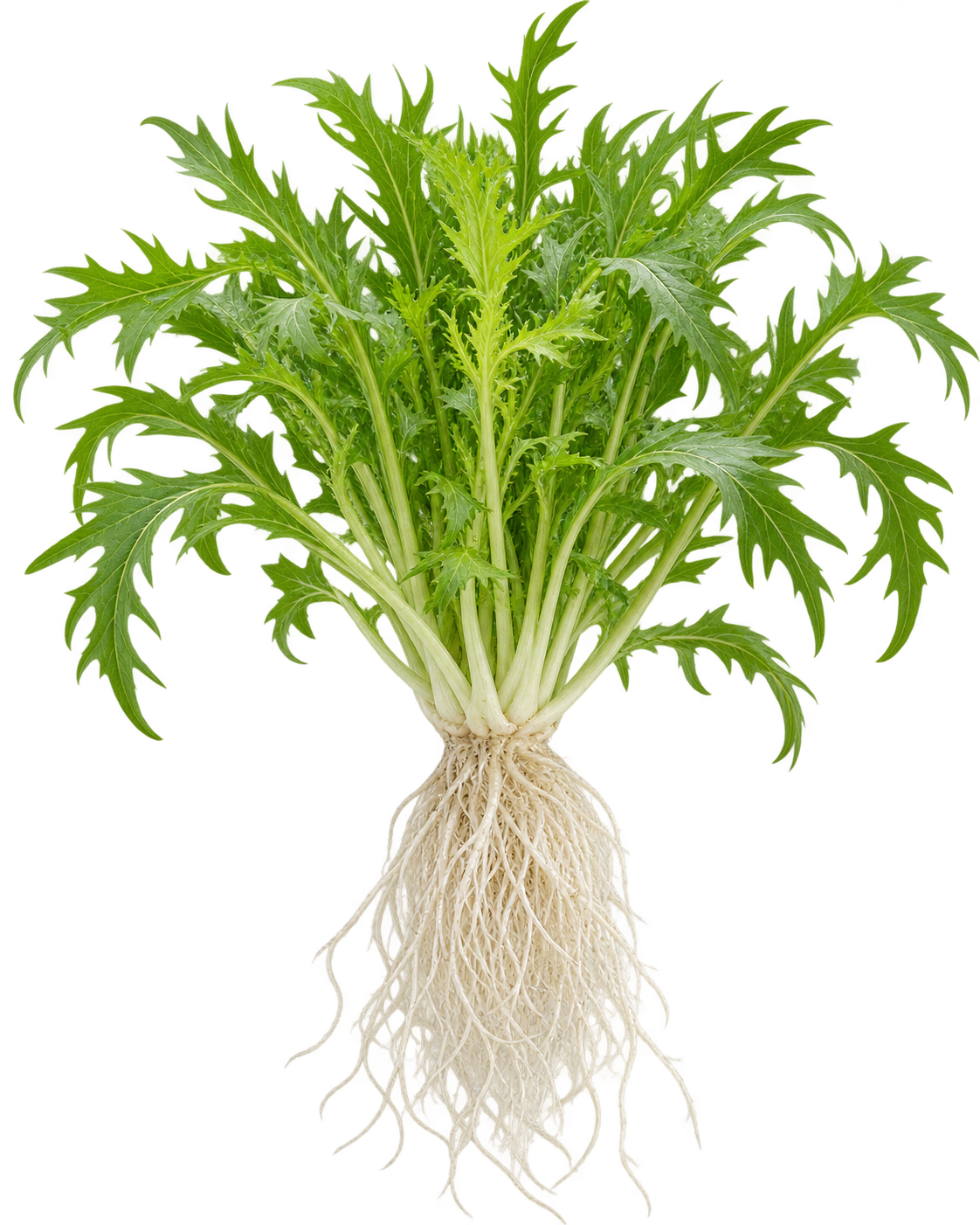
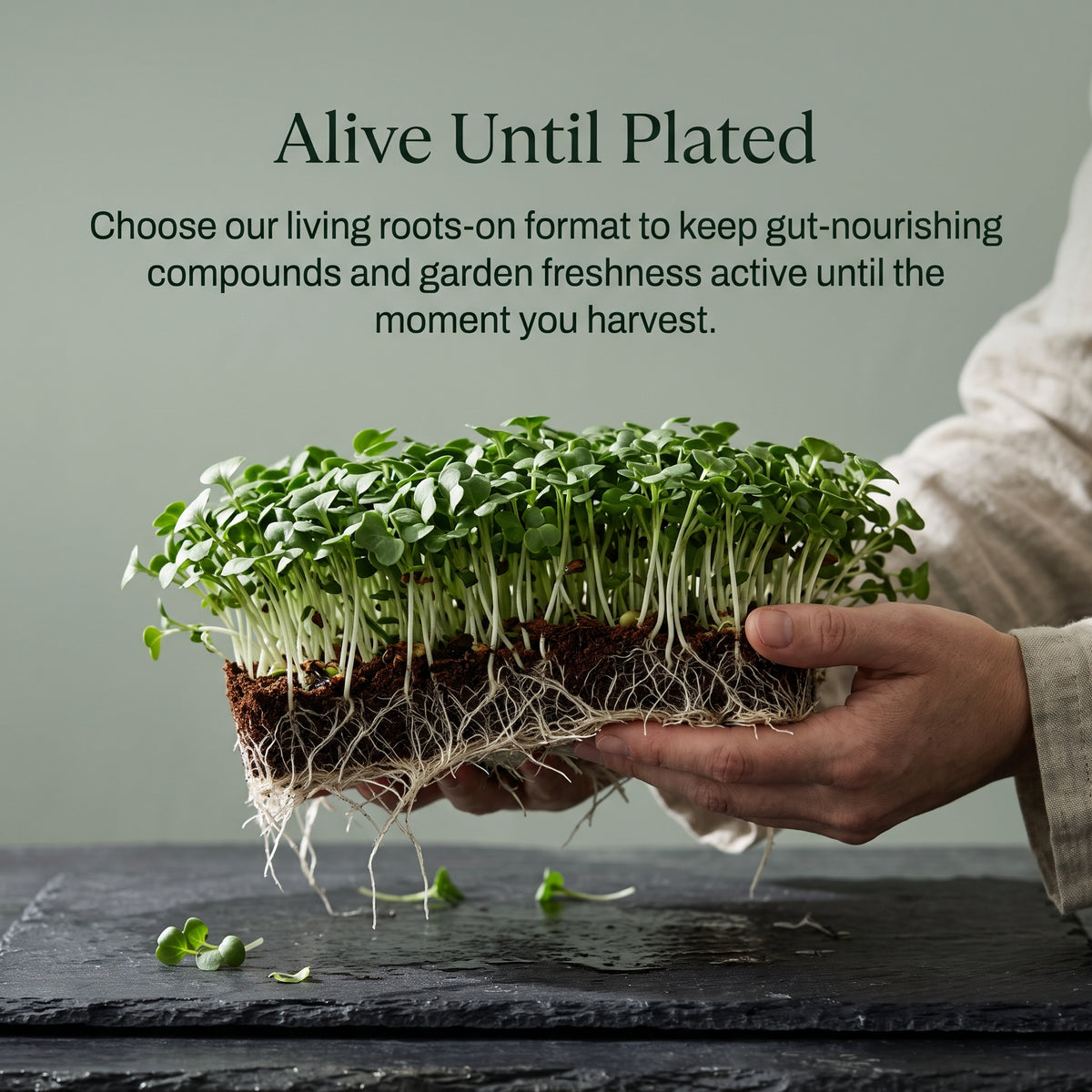
Baby Mizuna grows as a loose spray of deeply cut green leaves carried on fine, succulent stems. Harvested young, the leaves are thinner and more tender than mature Mizuna, with a fresh vegetal flavor and milder mustard character. The first bite is juicy and delicate, followed by gentle pepperiness, subtle sweetness, and a clean finish. Its narrow lobes create numerous edges and folds that catch a light vinaigrette without weighing down the leaves. Left whole or gently separated, Baby Mizuna brings airy movement and fine texture to a composed plate. LivFarms harvests it living with its roots attached.
- CATEGORY: Soft Greens
- VARIETY: Baby Mizuna
- BOTANICAL NAME: Brassica rapa var. nipposinica
- WHAT YOU’LL RECEIVE: One living Baby Mizuna plant or plant cluster with roots attached
- STORAGE: Keep refrigerated with roots attached and protected from moisture loss.
- BEST ENJOYED WITHIN: 14 days of delivery for peak tender texture, peppery flavor, and freshness.
Not All Microgreens Are Grown Equal

Put Your Superpower to Work
Elevate
NUTRITION BY DESIGN
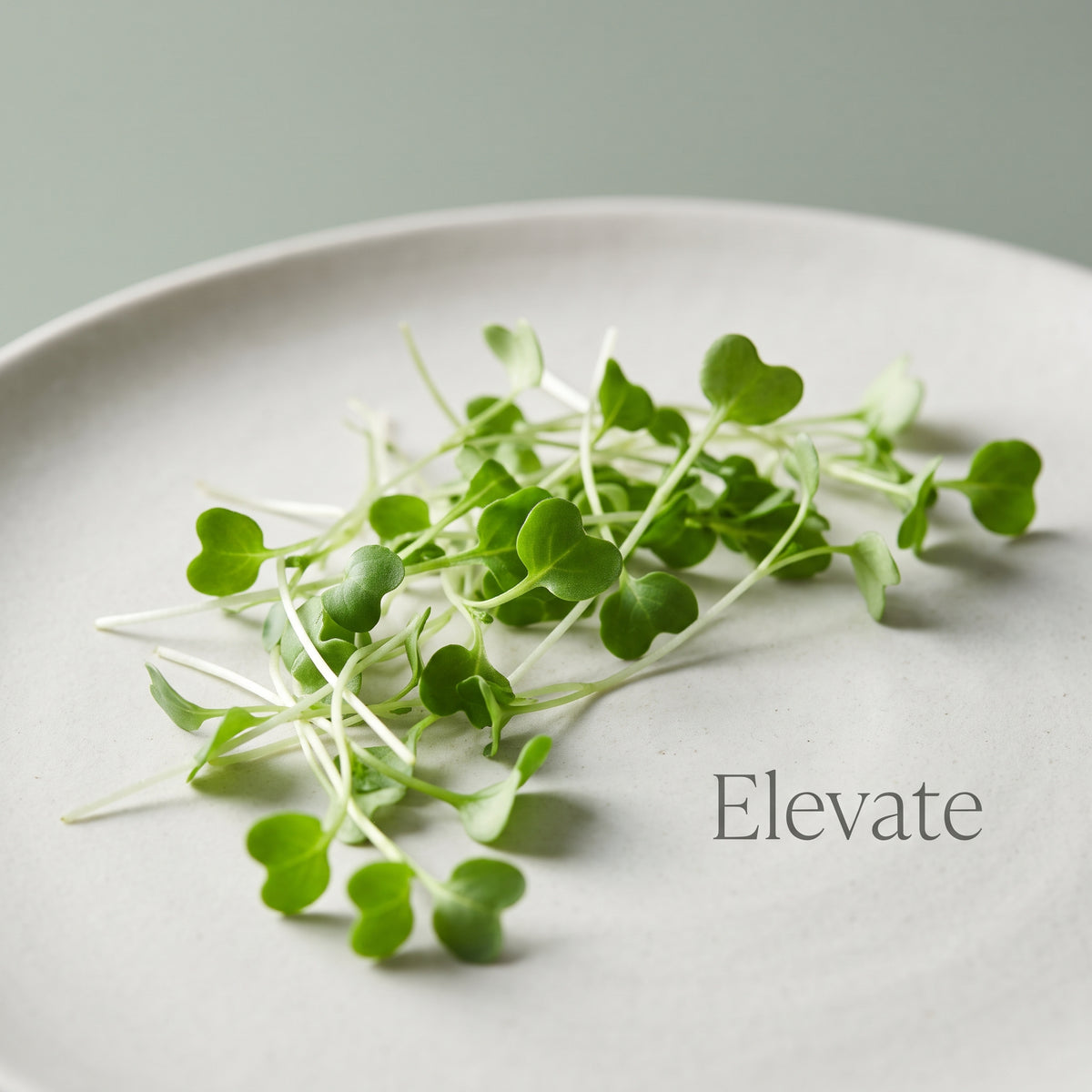
- CHEF’S TASTING NOTES: Baby Mizuna begins tender and juicy, with a clean green flavor that quickly develops a mild mustard note. Pepperiness remains gentle at the baby stage, allowing a subtle vegetal sweetness to show through. Fine stems add a light succulent snap without becoming fibrous. The narrow leaves feel delicate rather than flimsy, finishing fresh, slightly spicy, and clean.
- FLAVOR PROFILE: Fresh and vegetal with mild mustard character, gentle pepperiness, subtle sweetness, and a clean finish.
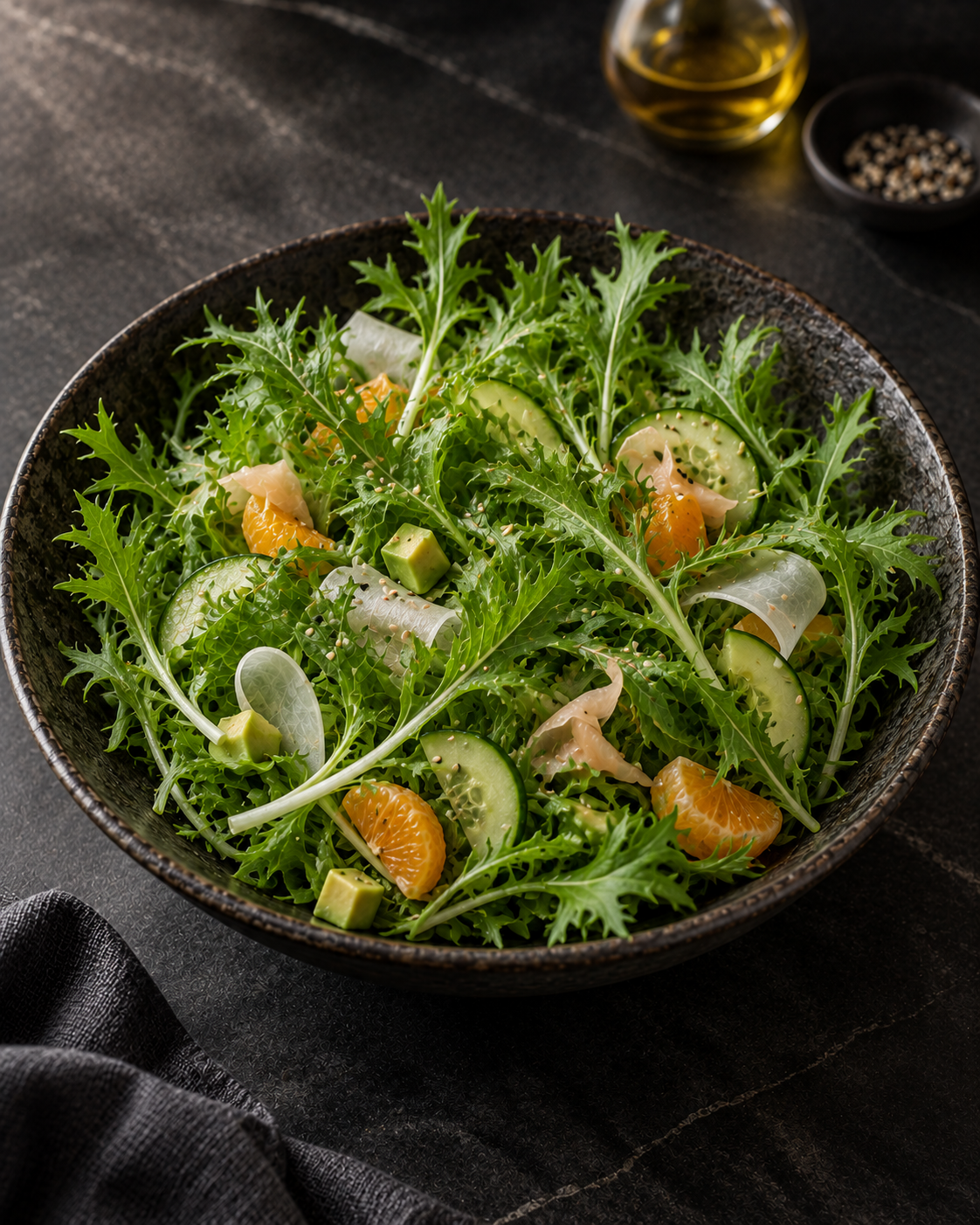
- TEXTURE & PERFORMANCE: Baby Mizuna combines thin, tender leaves with fine, juicy stems. Its deeply cut lobes create abundant edges that catch small amounts of vinaigrette while keeping the leaf light. Whole leaves retain their feathery architecture, while gently torn pieces remain lively rather than collapsing. Its delicate texture layers well against crisp greens, substantial shoots, and cooked mushrooms without losing its distinctive shape.
- PLATE PERFORMANCE: Baby Mizuna creates movement rather than dense volume. Its narrow, deeply divided leaves produce height, negative space, and a fine feathery silhouette across the plate. Fresh green color provides a clean backdrop for colorful flowers and microgreens, while the open leaf structure allows mushrooms, herbs, and crunchy greens to remain visible.
Nourish
NUTRITION IN ACTION
- YOUR WEEKLY 30: Mizuna counts as one distinct plant toward your goal of eating 30 different plant foods each week. Mizuna is Brassica rapa, so other cultivars from the same species are generally best treated as the same plant for Weekly 30 tracking. Research from the American Gut Project found meaningful microbiome differences between people eating fewer than 10 plants per week and those eating more than 30.
- NUTRITION SNAPSHOT: Mizuna delivers vitamin K, vitamin C, folate, carotenoids that support vitamin A activity, potassium, calcium, and fiber. These nutrients support normal blood clotting and bone health, immune function, cell growth, vision, muscle and nerve function, and digestive health. USDA nutrition research identifies Brassica vegetables as sources of vitamin C, folate, vitamin K, potassium, fiber, carotenoids, flavonoids, and glucosinolates.
- PLANT COMPOUNDS: Mizuna provides glucosinolates, carotenoids, chlorophylls, flavonoids, phenolics, and other naturally occurring plant compounds. Mizuna research has identified multiple glucosinolates and phenolic compounds, while USDA data also document the flavonols quercetin, kaempferol, and isorhamnetin in mizuna.
- WHY THIS PLANT MATTERS: Mizuna gives you something lettuce does not. As a Brassica vegetable, it brings a different family of plant compounds to your plate, especially glucosinolates and phenolics. Adding different plant families across the week increases dietary diversity and broadens the mix of fibers, micronutrients, and phytochemicals reaching your diet. Research continues to link greater plant-food diversity with differences in gut microbial diversity and function.
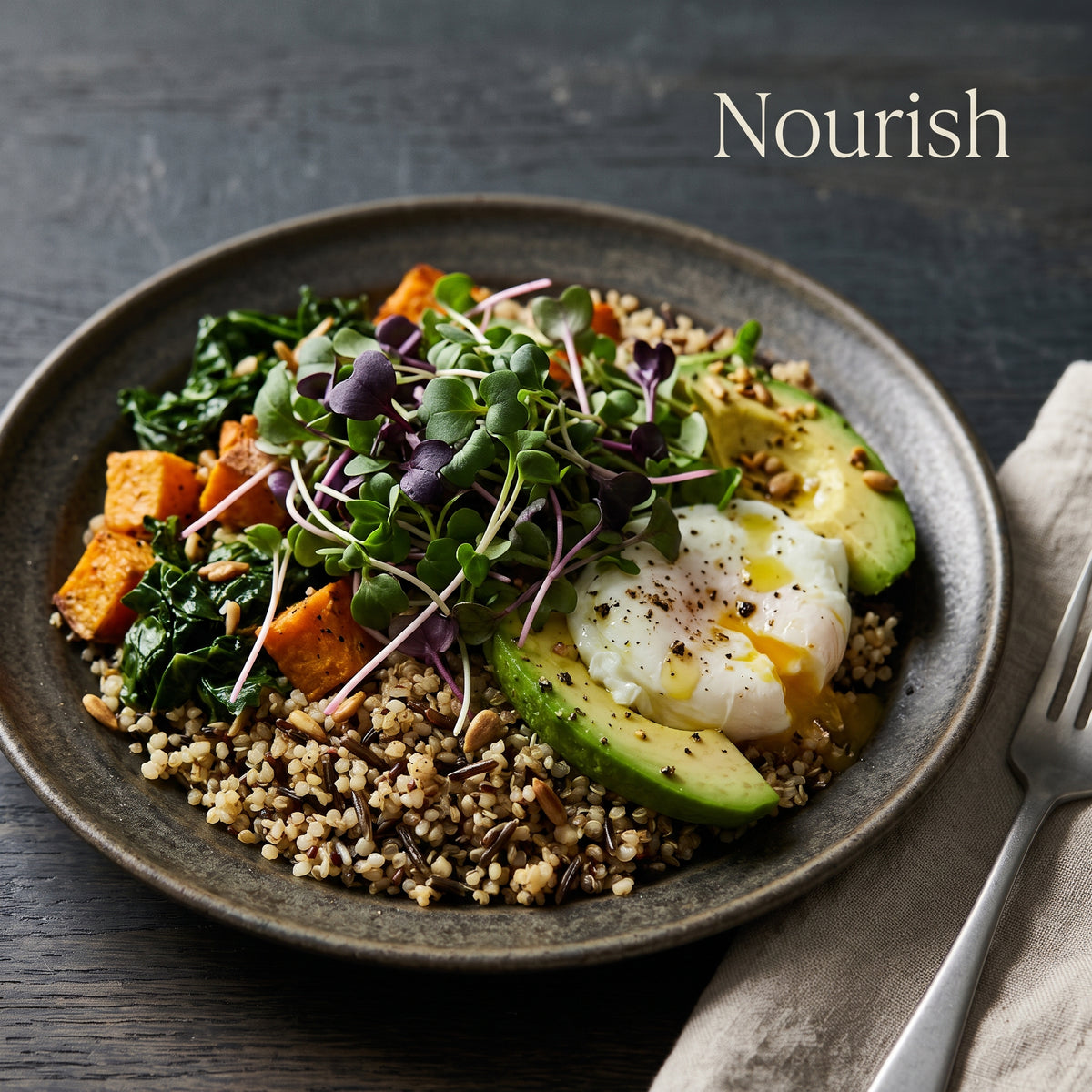
- SIMPLE EVERYDAY IDEAS: Add Baby Mizuna to composed salads, grain bowls, sandwiches, wraps, noodle bowls, soups, tacos, or lightly dressed side salads. Its tender leaves and mild mustard-pepper finish make it an easy way to add another plant to your Weekly 30 without changing how you normally eat.
