

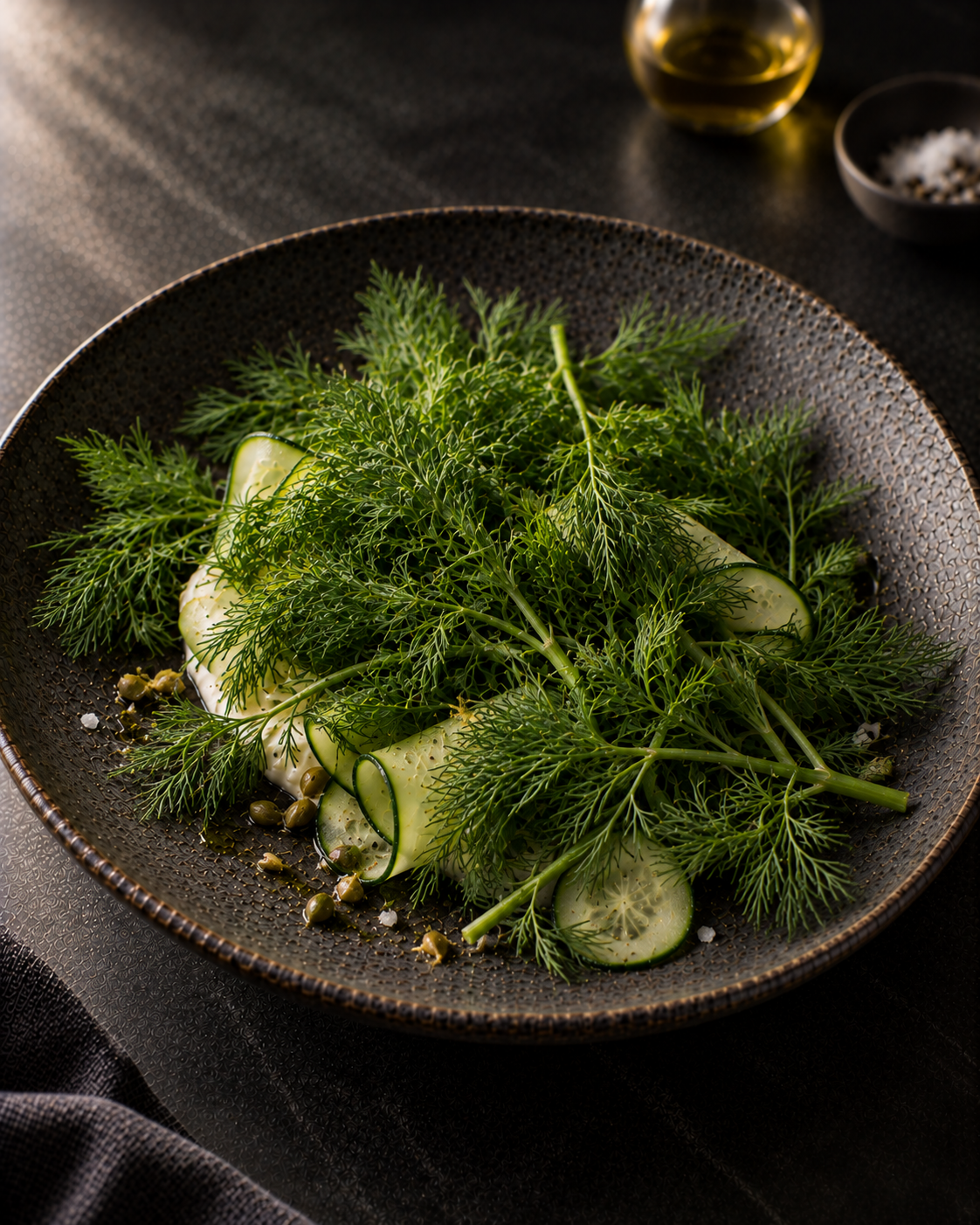
Teddy Dill Herb
Fine, feathery dill fronds deliver bright herbal aroma, tender texture, fresh green flavor, and a distinctive lightly sweet finish.
Choose options
Fine, feathery dill fronds deliver bright herbal aroma, tender texture, fresh green flavor, and a distinctive lightly sweet finish.
Inside This Superpower
Fresh-cut dill brings a cloud of fine, feathery green fronds supported by tender aromatic stems. Teddy produces especially full, densely packed foliage with thick leaflets and vibrant color, giving the harvested herb generous volume and texture. Its aroma opens fresh and unmistakably dill-like, with green, floral, lightly citrus-like notes and gentle sweetness. The delicate fronds soften instantly on the palate, while tender stems add a subtle succulent bite. Chopping or bruising releases more fragrance. Fresh dill works especially well with acid and performs best raw or added near the end of cooking, where its aromatic character remains vivid.
- CATEGORY: Fresh Herbs
- VARIETY: Teddy Dill
- BOTANICAL NAME: Anethum graveolens
- WHAT YOU’LL RECEIVE: Fresh-cut Teddy Dill fronds, leafy tips, and tender stems packaged for freshness
- STORAGE: Keep refrigerated in the original package at approximately 32–36°F and protect from moisture loss.
- BEST ENJOYED WITHIN: Within 10–14 days of delivery for peak aroma, green color, tenderness, and fresh flavor.
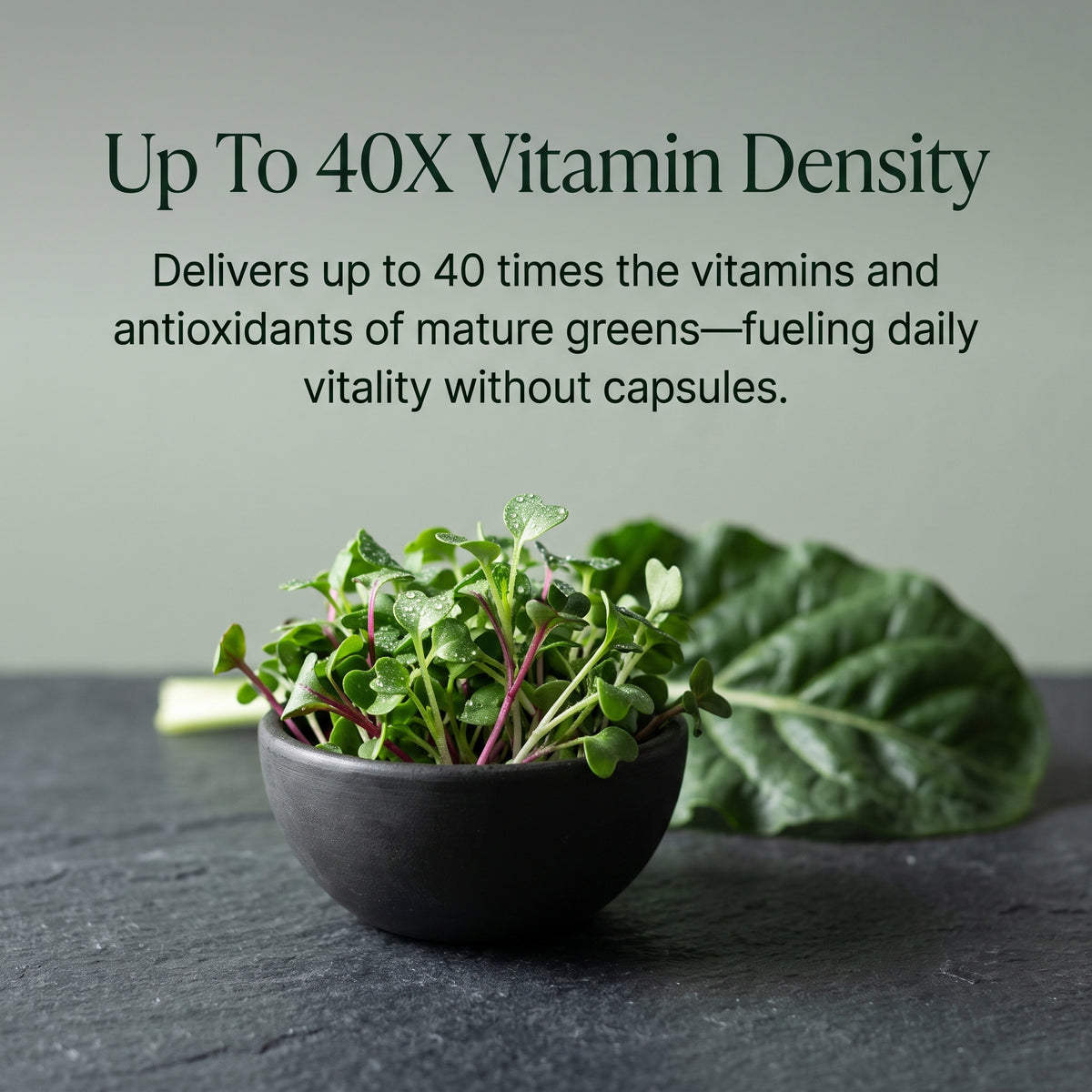
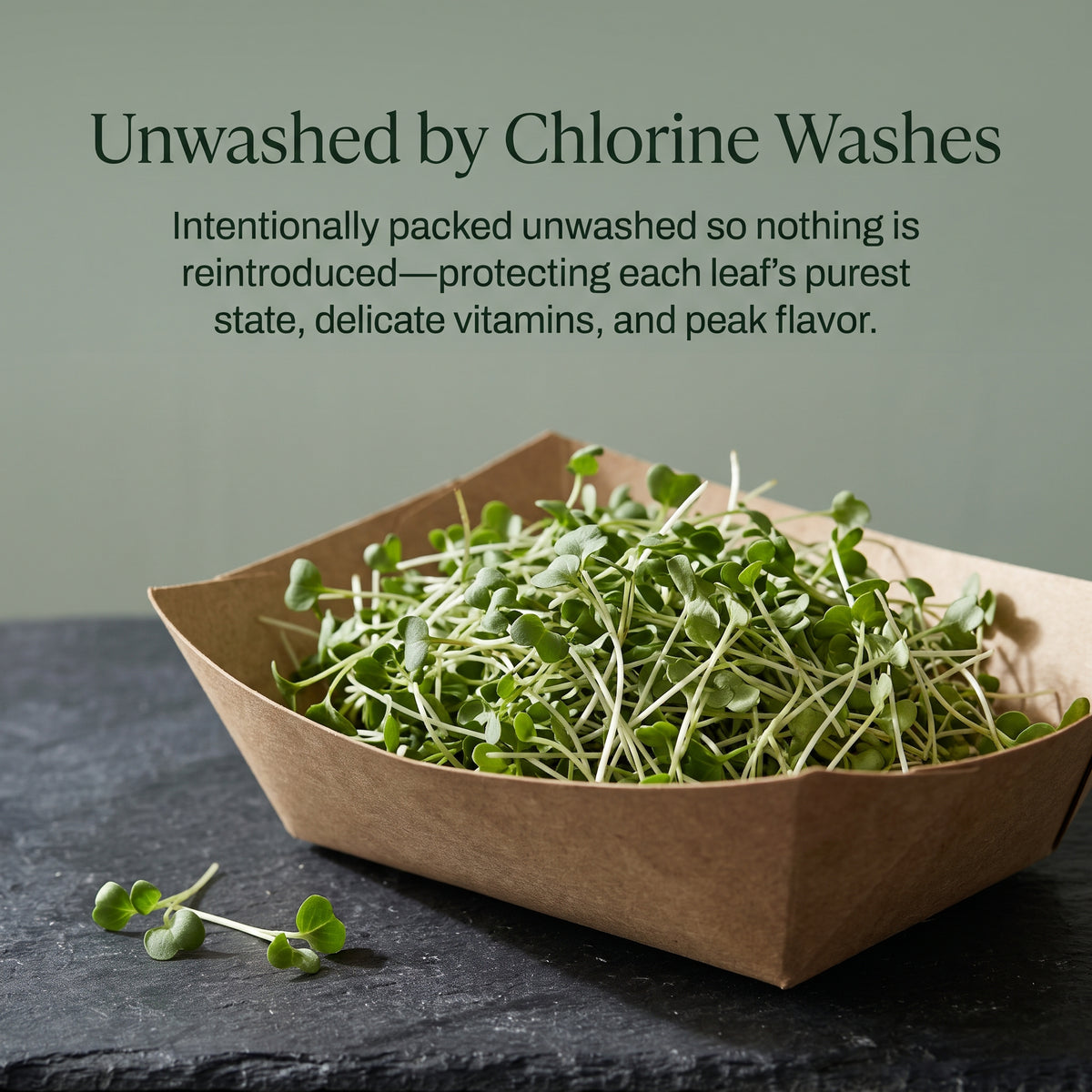
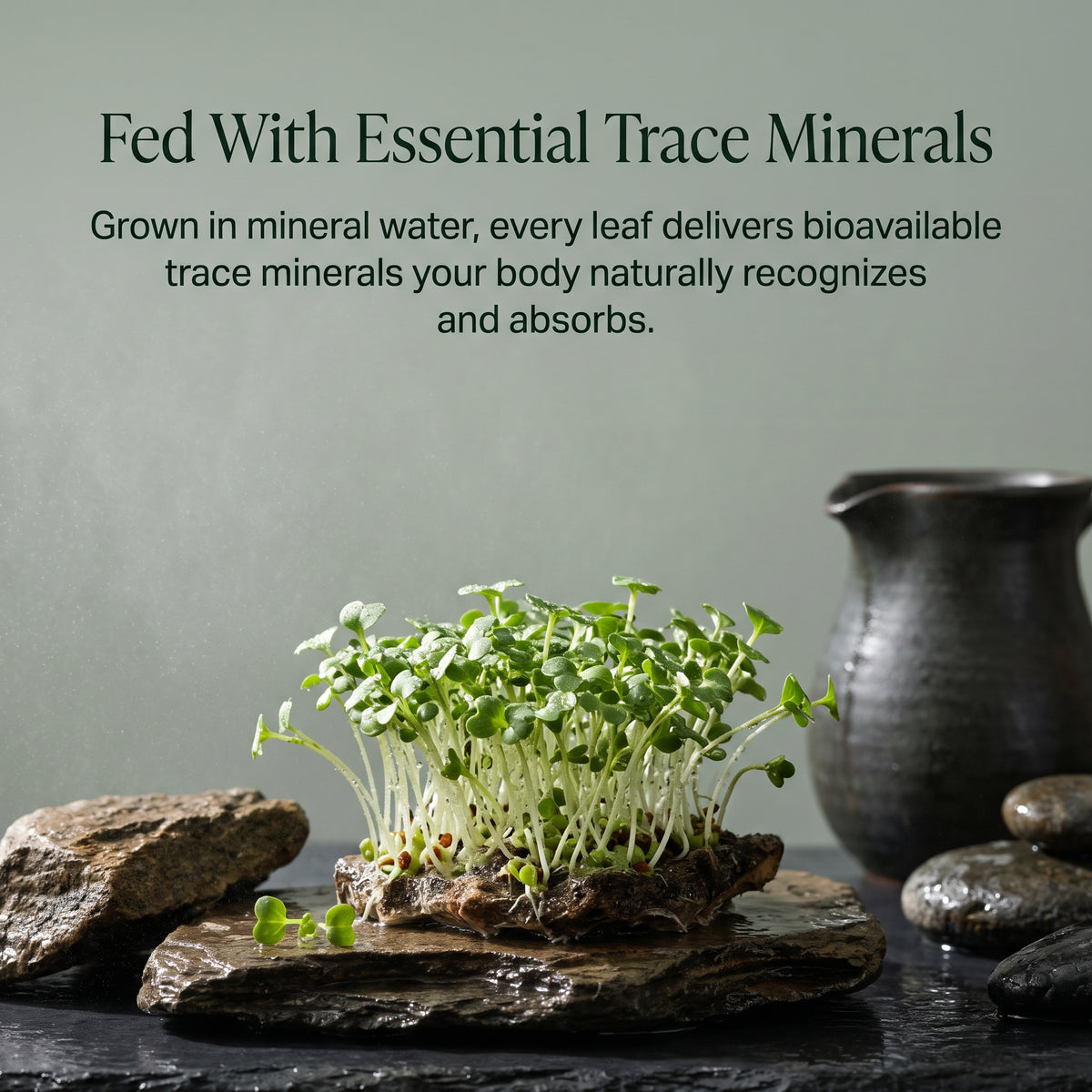
Not All Microgreens Are Grown Equal
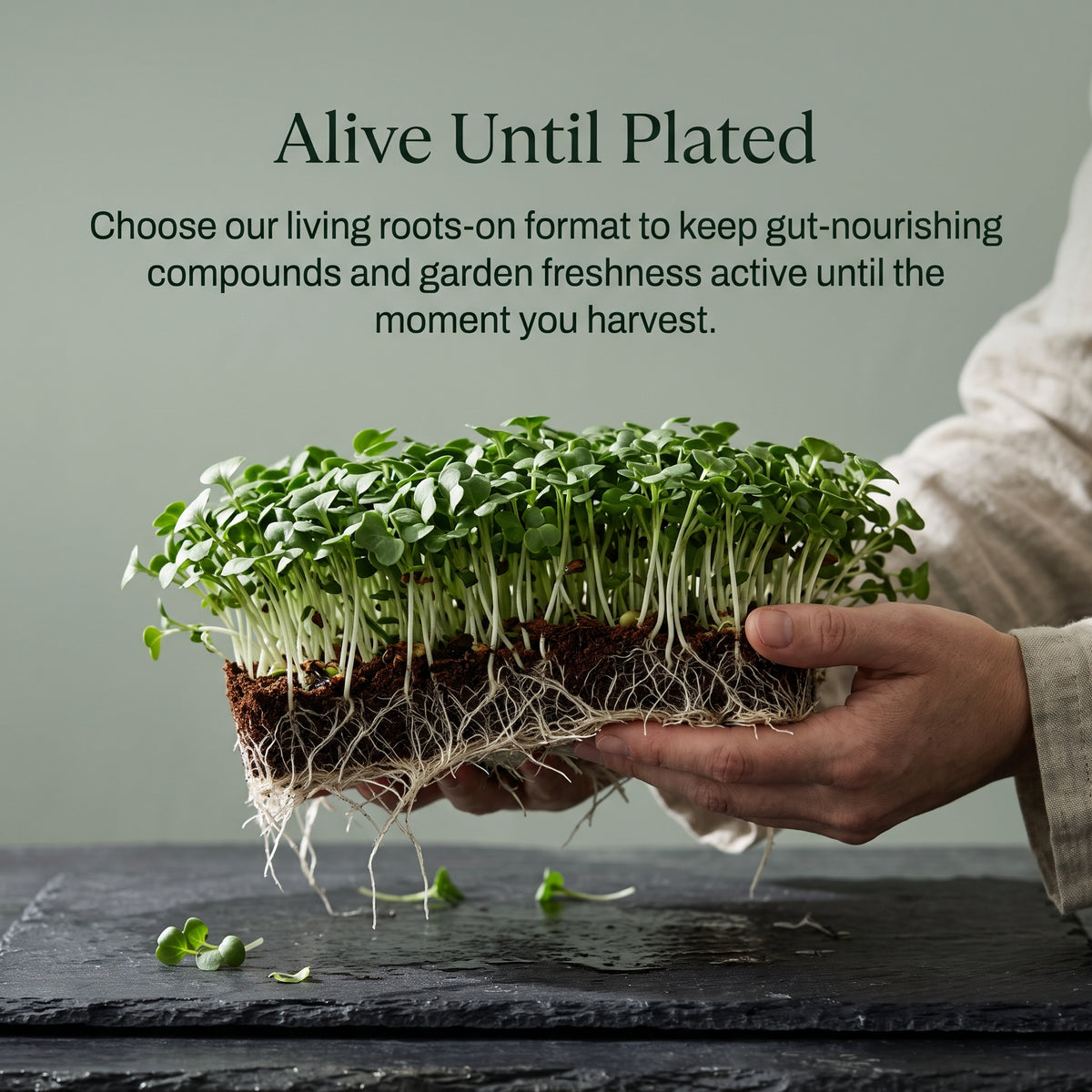
Put Your Superpower to Work
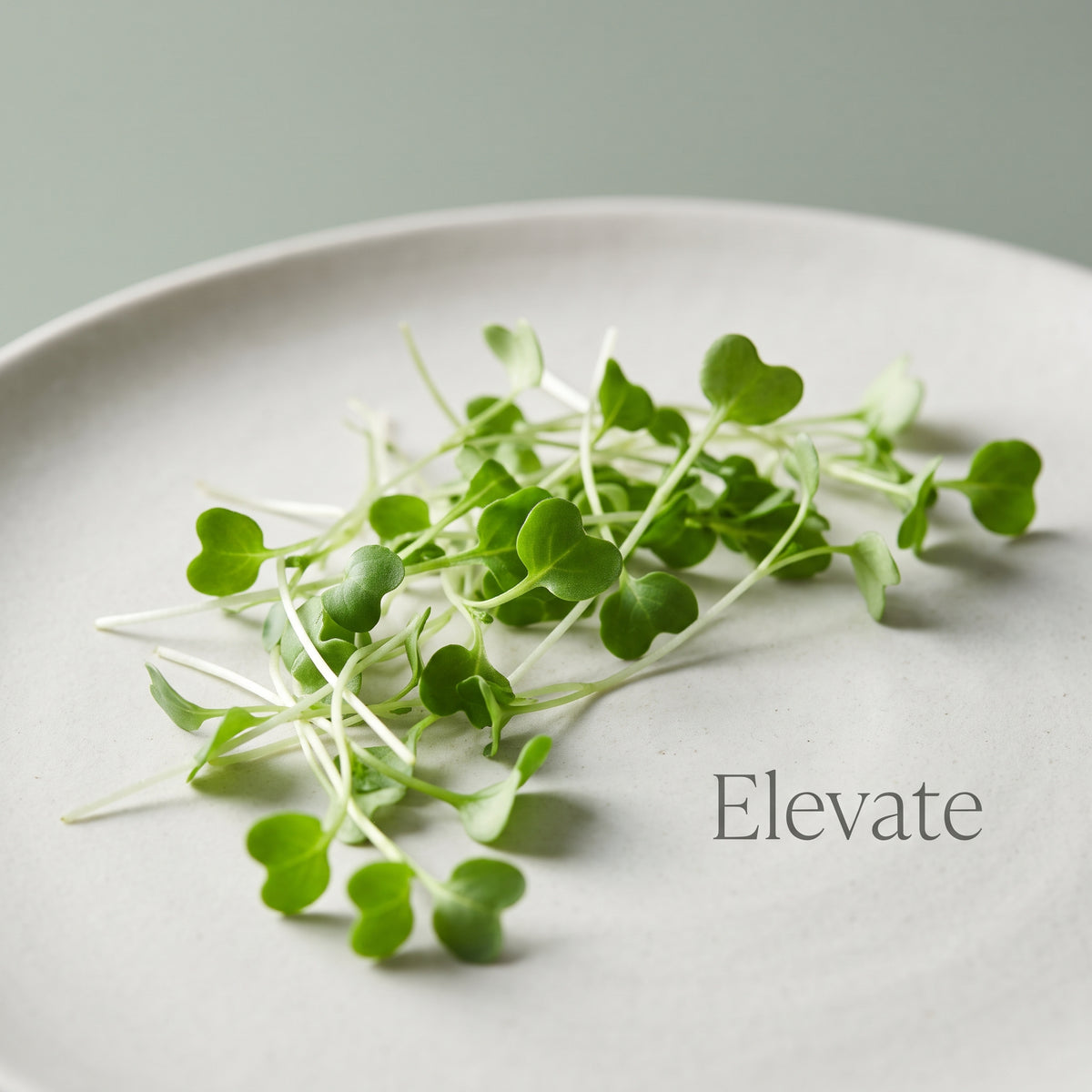
Elevate
NUTRITION BY DESIGN
- CHEF’S TASTING NOTES: Dill reaches the nose with a cool, unmistakably green fragrance before the first bite. The fronds are tender and almost weightless on the palate, opening into sweet herbal flavor with floral, grassy, lightly citrus-like, and subtle anise-like nuances. Tender stems contribute a slightly juicier bite. Chop or chew the herb and its perfume expands quickly, finishing clean, fresh, and distinctly dill-like.
- FLAVOR PROFILE: Fresh, green, lightly sweet, and floral with gentle citrus and anise-like nuances and a clean aromatic finish.
- TEXTURE & PERFORMANCE: Dill’s fine fronds are delicate and tender, while young stems remain soft enough to use. Whole fronds create the lightest flavor impression and strongest visual identity. Snipping or chopping increases aromatic release and distributes dill throughout a dish. Acid makes its fresh herbal character feel sharper and brighter. Prolonged heat diminishes its volatile aroma, so add dill late when you want its clearest, freshest expression.
- PLATE PERFORMANCE: Feathery green fronds create fine movement, height, and negative space without adding visual weight. Whole sprigs provide a recognizable finishing accent, while chopped dill creates small flashes of green throughout a composition. Its airy texture contrasts especially well with broad lettuces, compact Asian greens, substantial shoots, savory mushrooms, colorful flowers, and fine microgreens.
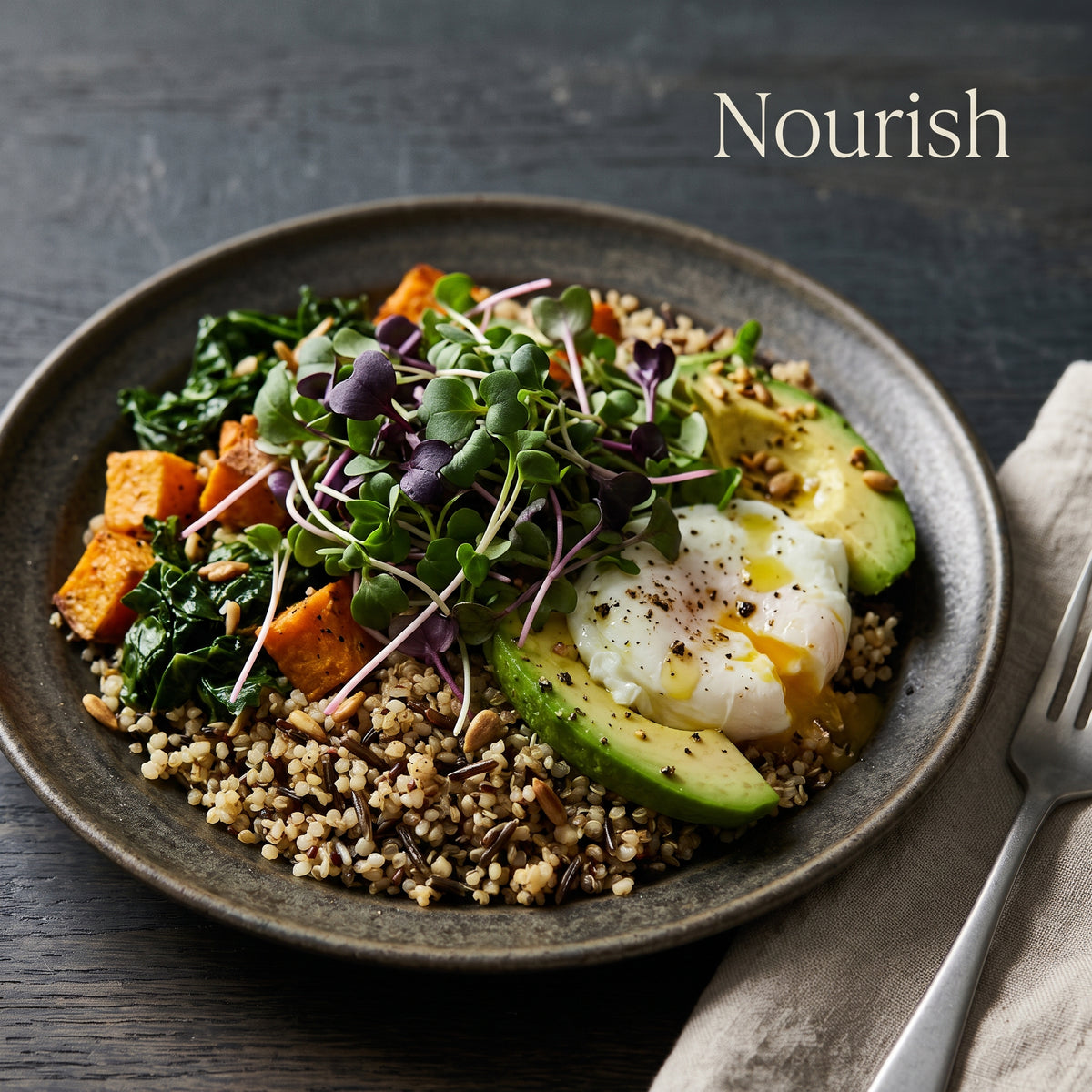
Nourish
NUTRITION IN ACTION
- YOUR WEEKLY 30: Dill counts as one plant toward your goal of eating 30 different plant foods each week. It fills the Fresh Herbs role, adding botanical and flavor diversity alongside Soft Greens, Crunchy Greens, Microgreens, Edible Flowers and Hearty Shoots, and Mushrooms.
- NUTRITION SNAPSHOT: Fresh dill contributes carotenoid-derived vitamin A activity, vitamin C, folate, calcium, iron, potassium, magnesium, and manganese. Its green fronds also provide chlorophyll and dietary fiber. These nutrients broaden the nutritional profile of a plant-rich diet while adding a fresh herb with a different botanical and culinary character from leafy greens.
- PLANT COMPOUNDS: Dill foliage contains flavonoids and phenolic compounds along with volatile aromatics including alpha-phellandrene, limonene, dill ether, and related terpenes. Dill leaves also contain quercetin and isorhamnetin derivatives. These compounds help create dill’s green color, floral-fresh aroma, citrus-like lift, and distinctive botanical character.
- WHY THIS PLANT MATTERS: Dill combines fresh-herb nutrition with distinctive volatile aromatics, flavonoids, phenolic compounds, and feathery green plant structure. Its concentrated flavor brings another botanically different plant into salads, vegetables, mushrooms, soups, and composed dishes while expanding both sensory and nutritional variety across your weekly rotation.
- SIMPLE EVERYDAY IDEAS: Chopped salads, herb vinaigrettes, cucumber dishes, finished soups, roasted vegetables, scattered over mushrooms.
