
Kohlrabi Microgreens
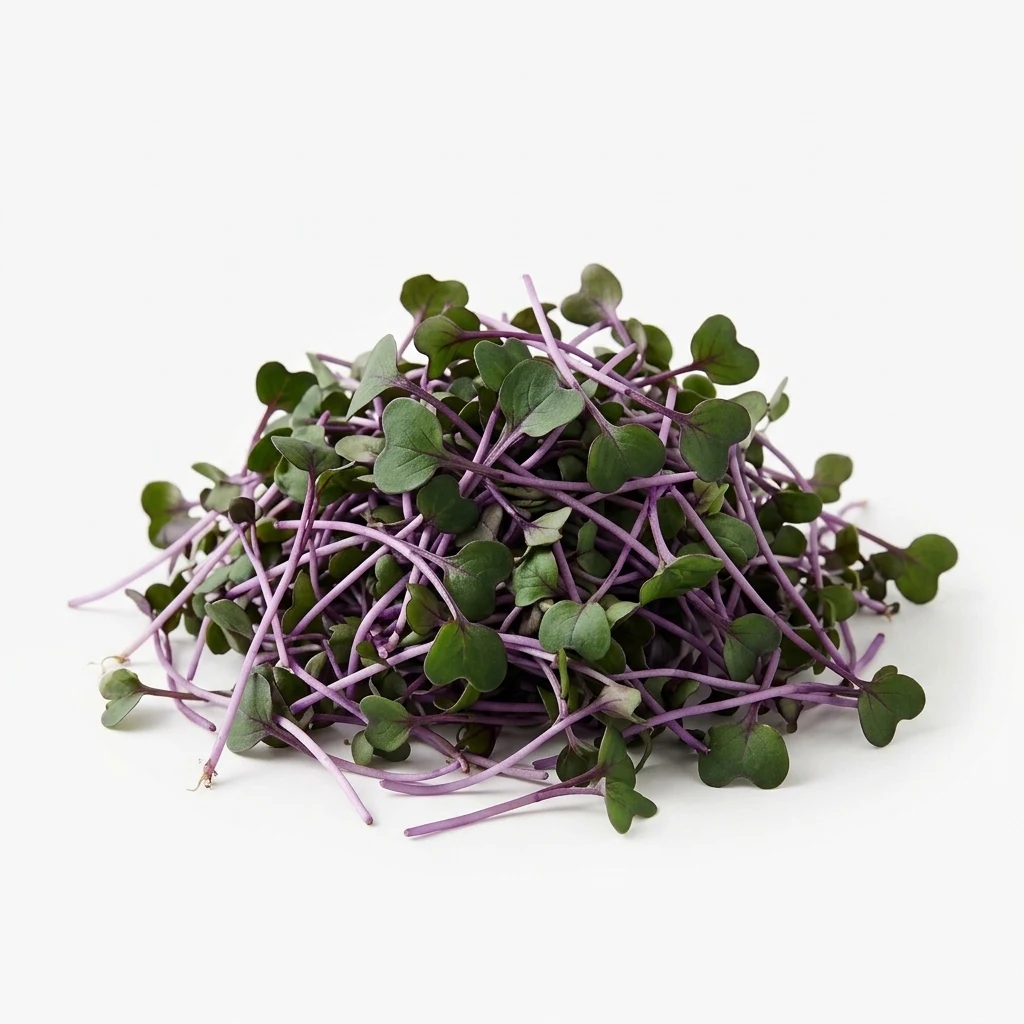
Fresh Kohlrabi Microgreens combine vibrant green cotyledons, delicate pale stems, succulent crispness, and a distinctive broccoli-and-cabbage flavor with a clean, refreshing finish.
Choose options
Fresh Kohlrabi Microgreens combine vibrant green cotyledons, delicate pale stems, succulent crispness, and a distinctive broccoli-and-cabbage flavor with a clean, refreshing finish.
Inside This Superpower
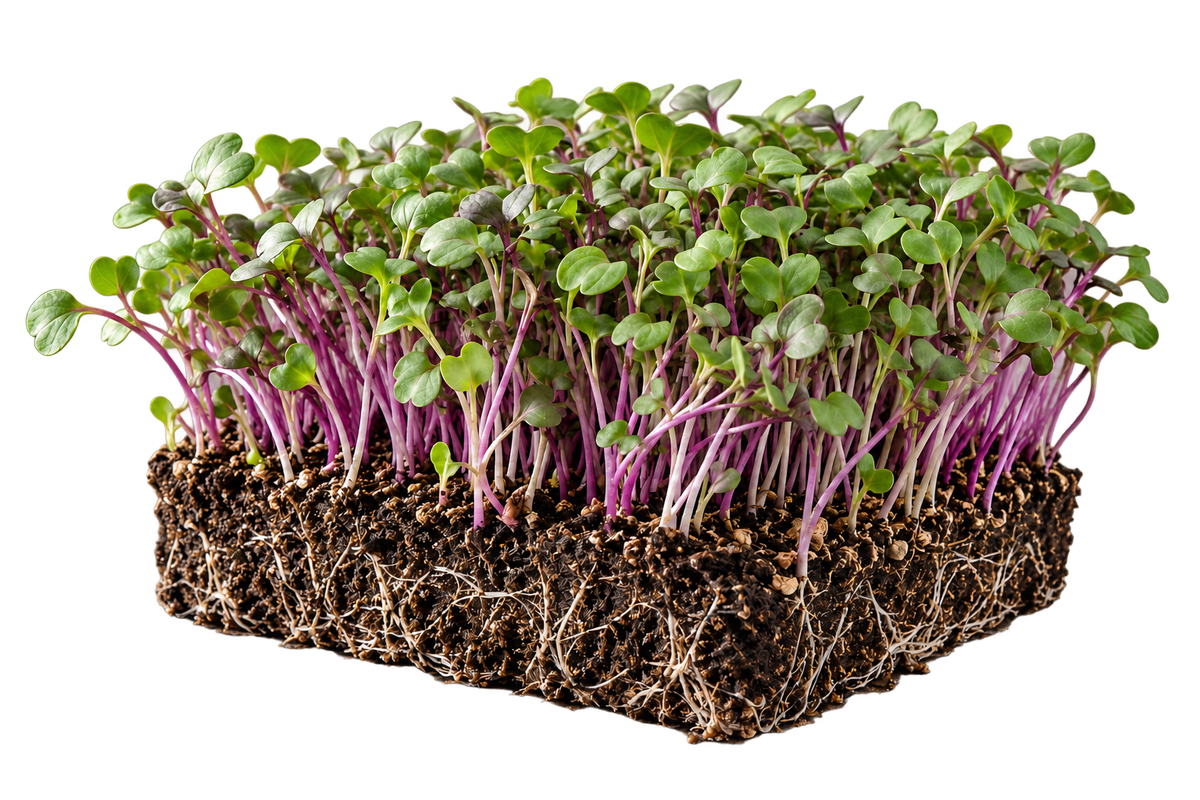
Early White Vienna Kohlrabi Microgreens bring the distinctive character of Brassica oleracea var. gongylodes to the tender first-leaf stage of growth. This heirloom selection develops vibrant green cotyledons supported by fine, pale stems, offering the recognizable broccoli-and-cabbage personality of the Brassica family in a delicate young plant. Its fresh, lively flavor and tender structure make it especially appealing as a versatile finishing ingredient.
LivFarms cultivates this specialty variety in a precision-controlled growing environment, with careful attention to water, plant nutrition, and harvest quality. The result is a fresh-cut microgreen that brings botanical character, crisp texture, and everyday culinary versatility to both simple meals and carefully composed dishes.
Explore its sensory character through Elevate and its naturally occurring vitamins, minerals, and plant compounds through Nourish.
- CATEGORY: Microgreens
- VARIETY: Early White Vienna Kohlrabi Microgreens
- BOTANICAL NAME: Brassica oleracea var. gongylodes
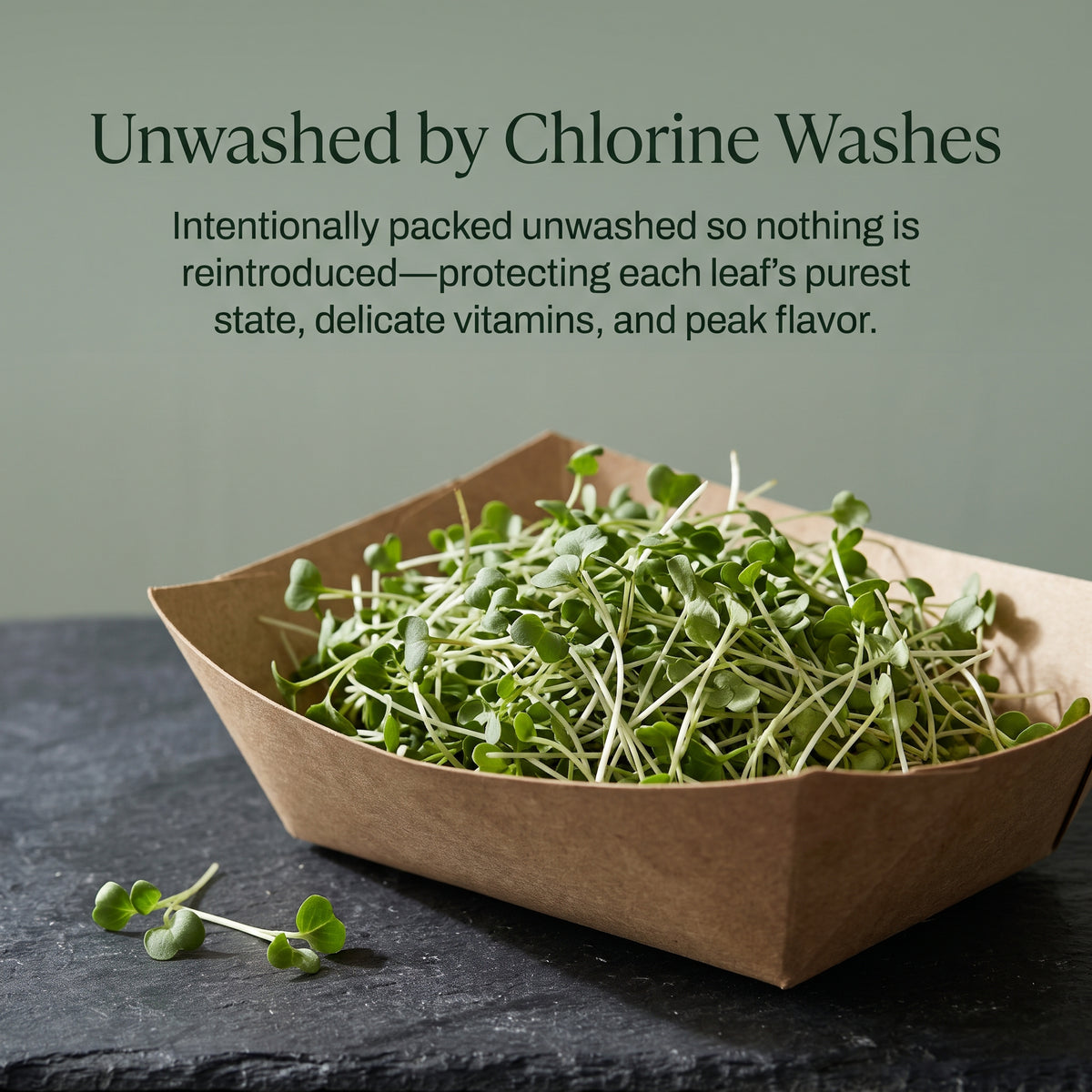
- WHAT YOU'LL RECEIVE: 4 oz of fresh-cut Early White Vienna Kohlrabi Microgreens, packaged unwashed in a press-and-seal tray with a film-sealed top.
- STORAGE: Keep refrigerated at approximately 34–41°F in the original sealed tray, keeping the microgreens dry and limiting condensation.
- BEST ENJOYED WITHIN: Within 8–10 days of delivery for peak tenderness, vibrant green color, fresh Brassica flavor, and quality. Follow the freshness date printed on the package.
- SERVING & PREPARATION: Gently rinse under cool running water immediately before use and carefully dry. Enjoy raw or add at the final moment of plating to preserve the delicate cotyledons, crisp stems, and fresh flavor.
Not All Microgreens Are Grown Equal
Put Your Superpower to Work
Elevate
NUTRITION BY DESIGN
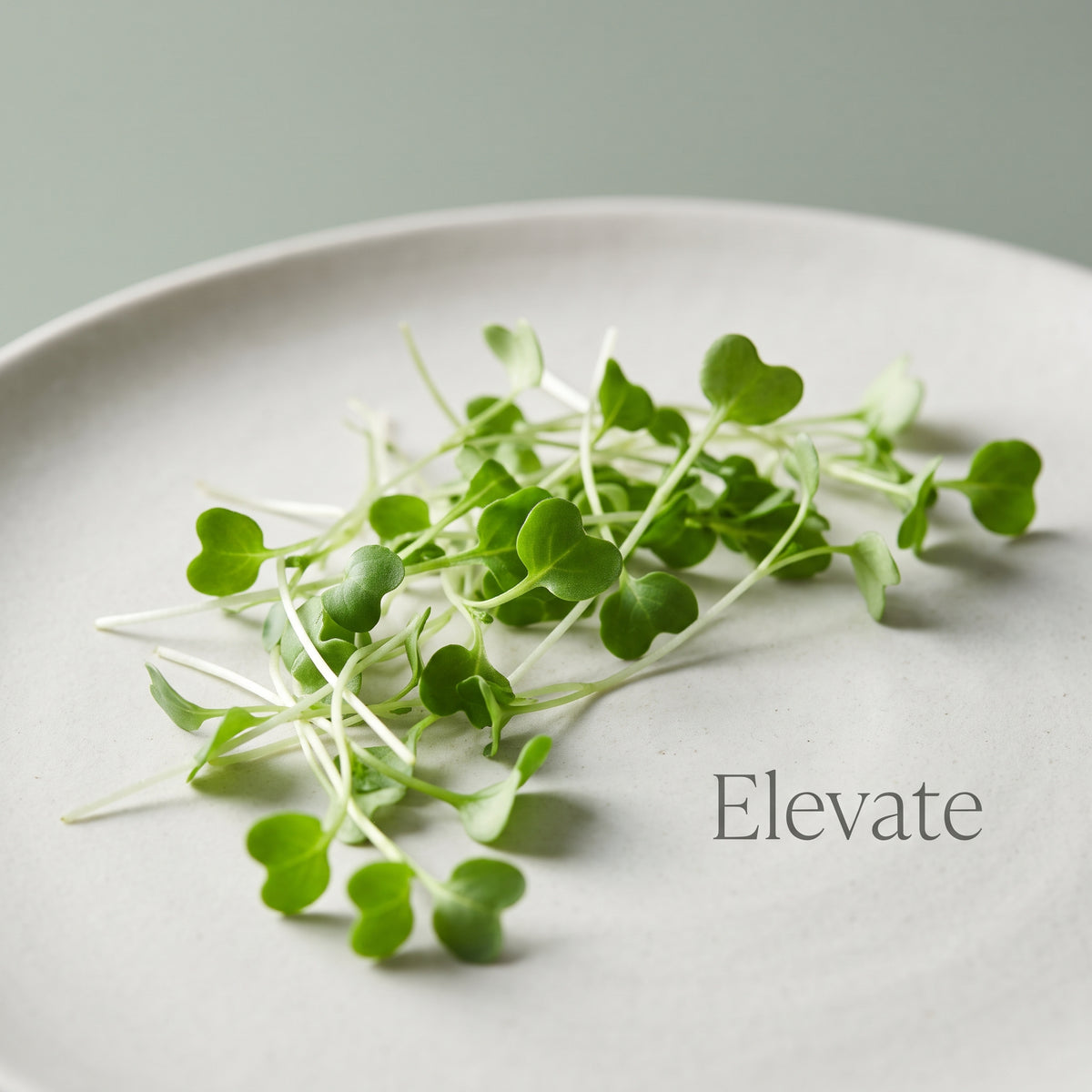
- CHEF'S TASTING NOTES: Early White Vienna Kohlrabi Microgreens offer a fresh sensory experience that begins with tender, juicy green cotyledons and a delicate vegetal character. As the bite develops, familiar broccoli and cabbage notes emerge, followed by subtle natural sweetness and a lively Brassica finish. The fine, pale stems contribute a refreshing succulent crispness, while the young leaves provide a soft, tender texture that contrasts with the heavier structure of mature kohlrabi. Their recognizable flavor and refined young-plant character make them a versatile ingredient for both generous finishing portions and more precise culinary applications.
- FLAVOR PROFILE: Fresh Broccoli • Cabbage Character • Gentle Sweetness • Light Pepper • Clean Green Finish. Early White Vienna Kohlrabi Microgreens deliver a distinctive combination of familiar Brassica flavors in a tender, approachable form. The initial green freshness develops into pronounced broccoli-and-cabbage notes, complemented by subtle sweetness and a restrained peppery finish. Their flavor pairs beautifully with rich proteins, creamy cheeses, roasted vegetables, grains, and lightly acidic ingredients, bringing a recognizable fresh vegetable character without the dense texture of mature kohlrabi.
- TEXTURE & CULINARY PERFORMANCE: Slender, pale stems support tender green cotyledons, creating an airy texture with delicate succulent crispness. Kohlrabi Microgreens perform especially well as a fresh finishing ingredient, where their natural structure adds volume and movement without concealing the main components of a dish. Light vinaigrettes and citrus-based dressings complement their cabbage-like flavor, while creamy sauces and rich proteins provide appealing contrast. Prolonged cooking softens the delicate leaves and stems, so add them raw or immediately before serving to preserve their crisp texture, fresh appearance, and distinctive flavor.
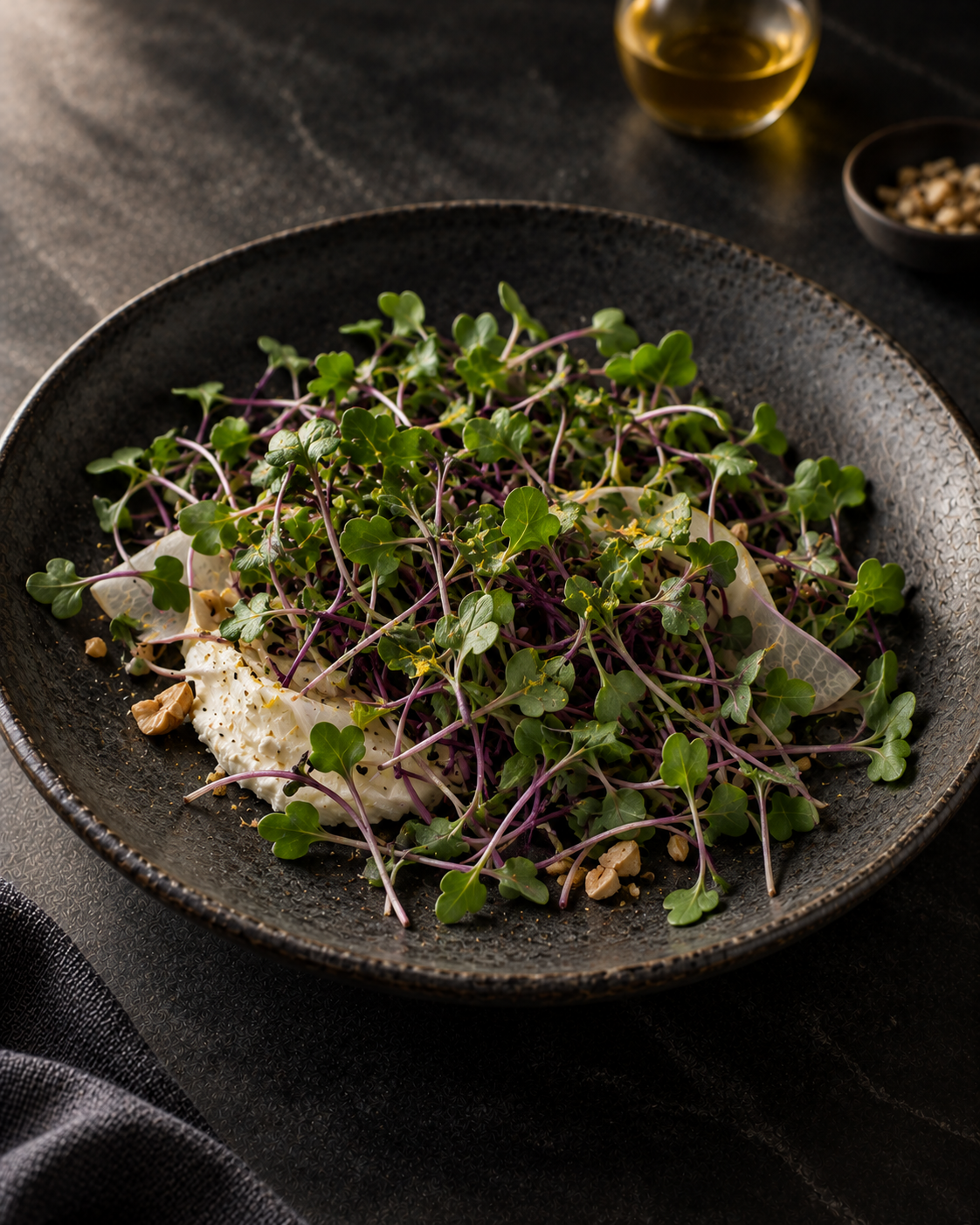
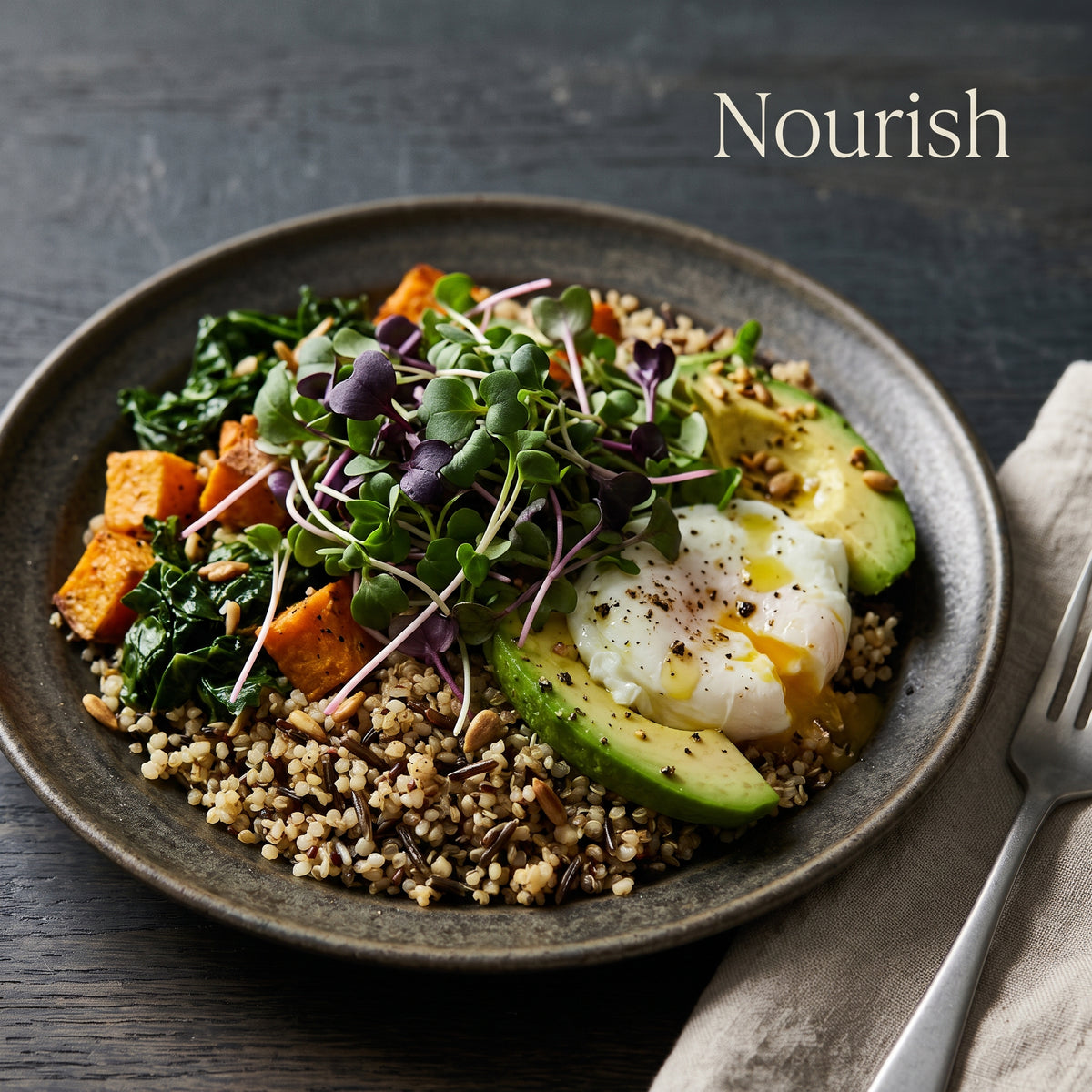
- PLATE PERFORMANCE: Vibrant green cotyledons and fine, pale stems create a fresh botanical contrast that adds natural height and delicate movement to finished dishes. Loose clusters build airy volume over proteins, vegetables, grains, and composed salads, while smaller portions provide controlled accents of green color and succulent texture. Their refined appearance complements golden eggs, creamy sauces, roasted vegetables, deeply colored grains, richly browned proteins, and neutral ceramic plates. As a finishing ingredient, Kohlrabi Microgreens bring the visual freshness of young plants to both everyday meals and sophisticated culinary presentations.
- CULINARY PAIRINGS & FINISHING APPLICATIONS: Early White Vienna Kohlrabi Microgreens offer a convenient way to bring fresh Brassica flavor, delicate texture, and whole-food variety to everyday meals. For rich proteins, finish roasted salmon, grilled chicken, steak, or smoked fish with a handful of tender greens. For breakfast, layer them over avocado toast, scrambled eggs, whipped ricotta, or savory breakfast bowls. For warm preparations, scatter them over finished pasta, soups, roasted vegetables, grain bowls, or artisan flatbreads immediately before serving. Their broccoli-and-cabbage character also complements sandwiches, composed salads, roasted mushrooms, and creamy vegetable dishes, bringing fresh color and recognizable flavor without requiring another recipe.
Nourish
NUTRITION IN ACTION
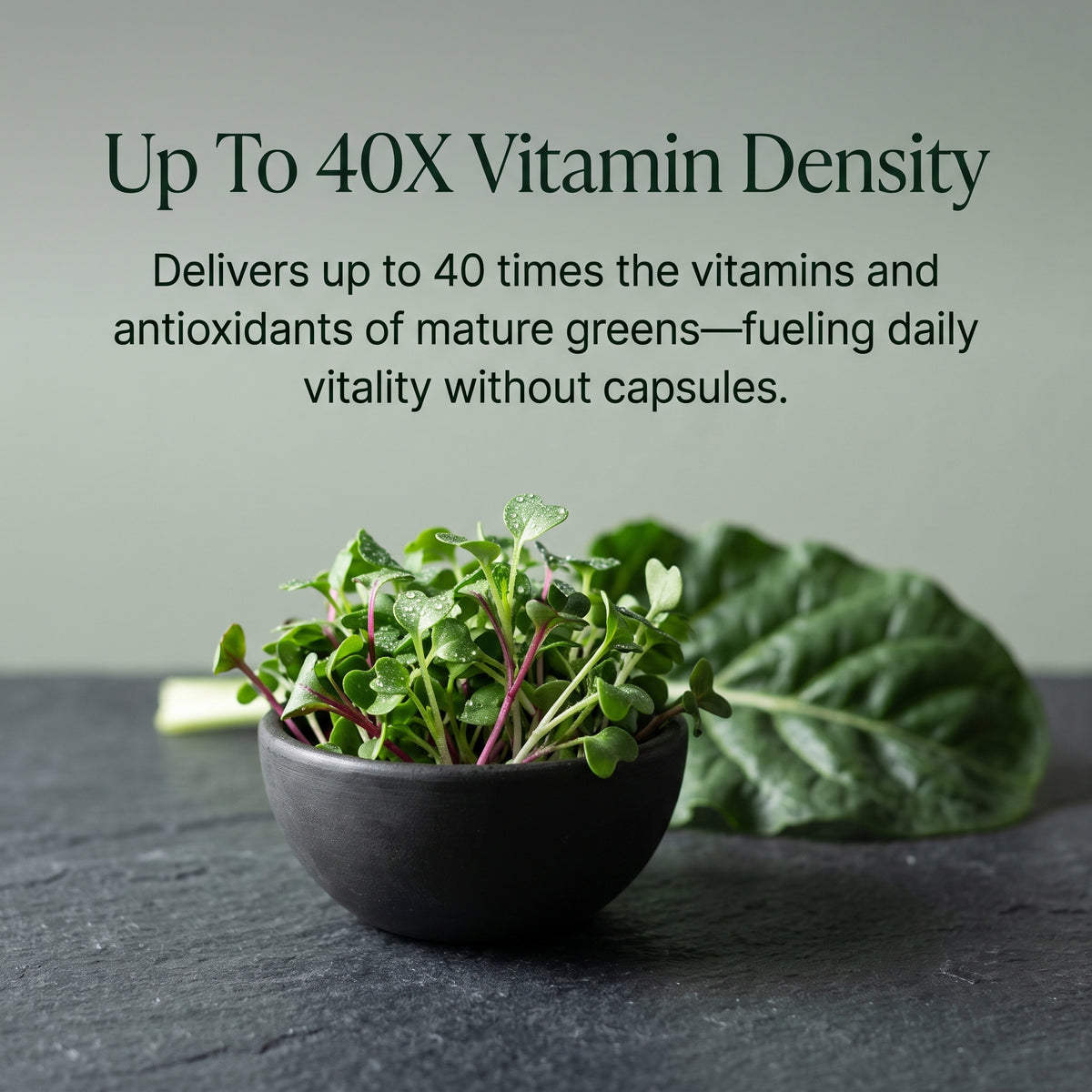
- THE COTYLEDON ADVANTAGE: Kohlrabi Microgreens are harvested during an early stage of plant development, when the first leaves, known as cotyledons, support the young plant's rapid growth. This stage offers a distinctive combination of vitamins, plant pigments, and naturally occurring Brassica compounds. In a peer-reviewed 2024 study comparing six Brassicaceae microgreens, researchers measured total phenolic content of 23.30 mg gallic acid equivalents per gram of dry matter in kohlrabi microgreens, the highest concentration among the six types examined. These results highlight the phytochemical potential of young kohlrabi plants, while nutrient and compound concentrations vary with variety, growing conditions, and harvest practices.
- NUTRITIONAL SNAPSHOT: Kohlrabi Microgreens contribute naturally occurring vitamin C, plant pigments, phenolic compounds, and minerals associated with young Brassica vegetables. A peer-reviewed 2024 study measured approximately 1,495 mg of vitamin C per kilogram of dry matter in the kohlrabi microgreens examined, alongside measurable phenolic acids and flavonol-related compounds. These measurements use dry-weight units and describe the studied samples, rather than the vitamin C content of a fresh serving or a guaranteed amount in a LivFarms harvest. Additional research on Brassicaceae microgreens documents carotenoids, chlorophylls, and mineral nutrition, illustrating the distinctive nutritional composition of young plants. Their fresh flavor and tender structure provide another convenient way to increase botanical diversity in everyday meals.
- BIOACTIVE PLANT COMPOUNDS: Kohlrabi belongs to the Brassicaceae family, known for its naturally occurring glucosinolates and sulfur-containing plant chemistry. Research on kohlrabi and other Brassica microgreens has identified diverse glucosinolates, phenolic acids, flavonoids, and carotenoid pigments. A peer-reviewed 2021 study examining simulated digestion of four Brassicaceae microgreens reported 43% in-vitro bioaccessibility of glucosinolates in the kohlrabi microgreens tested, illustrating how the behavior of these compounds differs across plant varieties during laboratory digestion. When fresh Brassica tissues are cut or chewed, the naturally occurring enzyme myrosinase interacts with glucosinolates and supports the formation of isothiocyanates. Together, these compounds contribute to the distinctive biochemical character of young kohlrabi plants and remain an important focus of nutritional research.
- WHY THIS PLANT MATTERS: Early White Vienna Kohlrabi Microgreens bring together fresh broccoli-and-cabbage flavor, naturally occurring vitamins and minerals, and the distinctive plant compounds associated with Brassica vegetables. Their tender green cotyledons and succulent pale stems deliver a lighter texture than mature kohlrabi, making them easy to incorporate into a wide variety of everyday meals. Research on kohlrabi microgreens documents phenolic compounds and glucosinolates, adding scientific interest to their appealing culinary character. For customers seeking greater plant diversity and consistent whole-food nutrition, Kohlrabi Microgreens offer a convenient addition to salads, eggs, grain bowls, sandwiches, roasted vegetables, and finished proteins.
