

Lion’s Mane Mushrooms
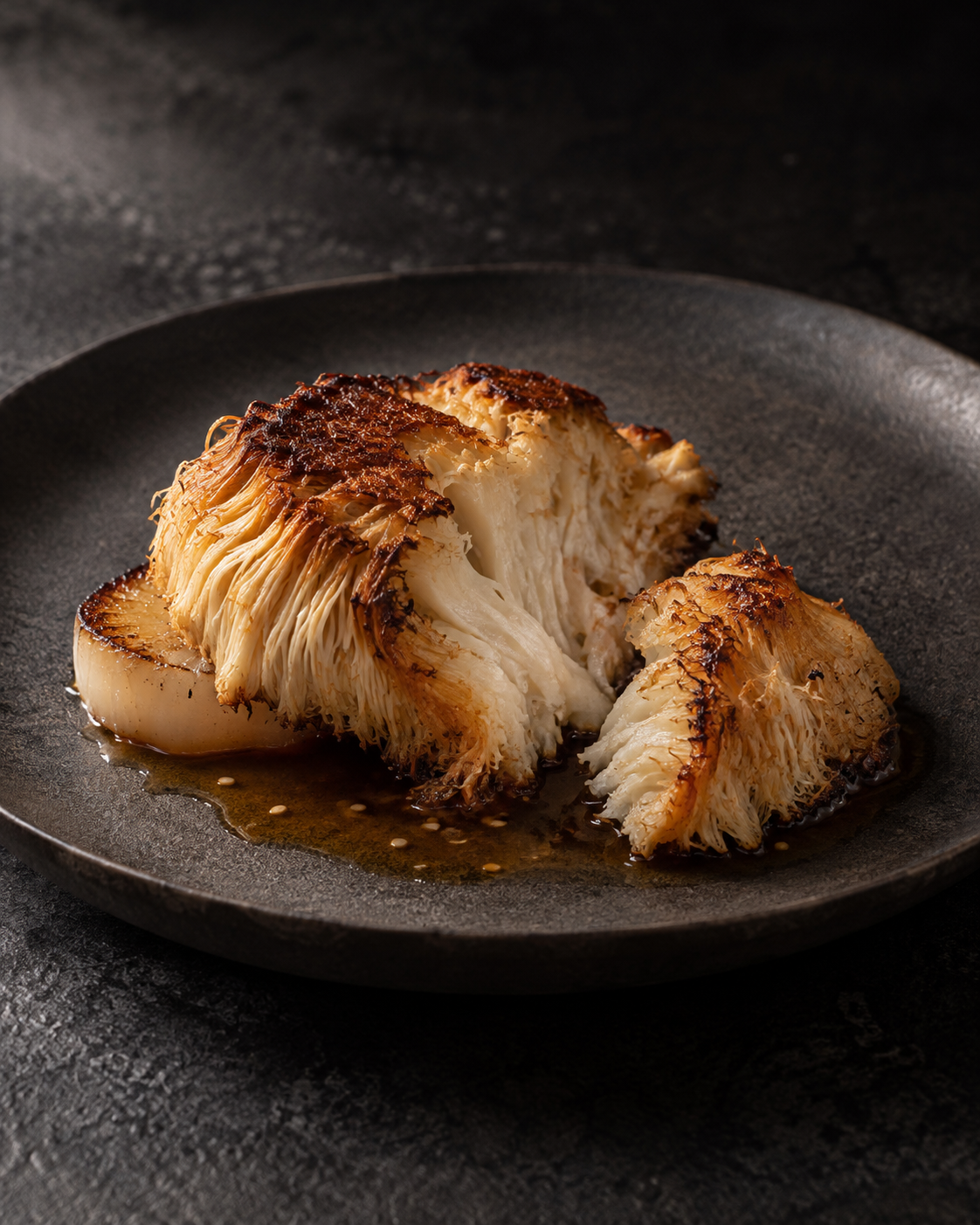
Ivory Lion’s Mane Mushrooms transform under high heat into golden, crisp-edged pieces with tender interiors and delicate savory depth.
Choose options
Ivory Lion’s Mane Mushrooms transform under high heat into golden, crisp-edged pieces with tender interiors and delicate savory depth.
Inside This Superpower
Fresh Lion’s Mane Mushrooms form rounded ivory fruiting bodies covered in soft cascading spines, with a dense interior that pulls naturally into irregular pieces. Fresh, the aroma is mild and clean with gentle mushroom sweetness. Under high heat, moisture releases, the exterior turns golden, and the interior becomes tender, juicy, and substantial. Hand-torn pieces create more surface area for caramelization and crisp edges than uniform slices. Their savory umami and subtle sweetness are often compared culinarily with delicate seafood, but Lion’s Mane retains its own character. The dramatic transformation from soft ivory mushroom to deeply browned, tender-centered pieces makes it especially rewarding to cook.
- CATEGORY: Mushrooms
- VARIETY: Lion’s Mane Mushrooms, HE-1 provisional production strain
- BOTANICAL NAME: Hericium erinaceus
- WHAT YOU’LL RECEIVE: 4 oz of freshly harvested whole Lion’s Mane Mushrooms, growing substrate trimmed away, packaged unwashed for freshness.
- STORAGE: Keep refrigerated at approximately 36–40°F in the original package, keeping the mushrooms dry and protected from condensation.
- BEST ENJOYED WITHIN: Within 5–7 days of delivery for peak firmness, ivory color, fresh aroma, and cooking quality.
Not All Microgreens Are Grown Equal
Put Your Superpower to Work
Elevate
NUTRITION BY DESIGN
- CHEF’S TASTING NOTES: Fresh Lion’s Mane has a restrained mushroom aroma and mild sweetness that deepen considerably in the pan. High heat develops golden, savory surfaces with pronounced umami and a delicate seafood-like quality often compared with crab or lobster. The browned exterior becomes lightly crisp while the dense interior stays tender and juicy. Properly cooked, the finish is savory, subtly sweet, and clean rather than earthy or aggressively mushroom-forward.
- FLAVOR PROFILE: Delicately savory and umami-rich with subtle sweetness, mild mushroom character, and a refined seafood-like culinary association after browning.
- TEXTURE & PERFORMANCE: Tear Lion’s Mane into irregular pieces rather than cutting everything into identical slices when you want maximum browning. The torn surfaces create more edges and crevices for caramelization. Begin over high heat with enough pan space for moisture to escape. Gentle pressing increases contact with the cooking surface. Once excess moisture evaporates, the exterior browns and crisps while the dense interior remains tender. Crowding the pan traps steam and produces a softer, less defined texture.
- PLATE PERFORMANCE: Raw Lion’s Mane brings sculptural ivory volume and cascading texture. Cooking transforms that pale architecture into irregular golden pieces with browned ridges, crisp edges, and substantial visual weight. Those warm caramelized surfaces stand out beautifully against cool green lettuces, fine herbs, bright flowers, pale shoots, and colorful microgreens.
Nourish
NUTRITION IN ACTION
- YOUR WEEKLY 30: Lion’s Mane Mushrooms count as one distinct food toward your LivFarms Weekly 30 diversity goal. They fill the Mushrooms role, adding fungi alongside Soft Greens, Crunchy Greens, Fresh Herbs, Microgreens, and Edible Flowers and Hearty Shoots.
- NUTRITION SNAPSHOT: Fresh Lion’s Mane contributes dietary fiber, modest protein, B vitamins, and minerals including potassium, phosphorus, copper, zinc, and iron. Its nutritional value comes from the combination of conventional nutrients and the distinctive composition of edible fungal tissue rather than from unusually high protein content alone.
- MUSHROOM COMPOUNDS: Lion’s Mane fruiting bodies contain fungal polysaccharides including beta-glucans, ergothioneine, phenolic compounds, sterols, and distinctive secondary metabolites including hericenones. Hericenones are associated with the fruiting body, while erinacines are primarily associated with mycelium, so the two should not be treated as interchangeable compounds in fresh culinary mushrooms.
- WHY THIS FOOD MATTERS: Lion’s Mane adds fungi to a diverse whole-food pattern while contributing fiber, minerals, fungal polysaccharides, ergothioneine, and other mushroom-specific compounds. Its dense structure and remarkable transformation under heat also give it a culinary role unlike leafy vegetables, herbs, flowers, shoots, or microgreens.
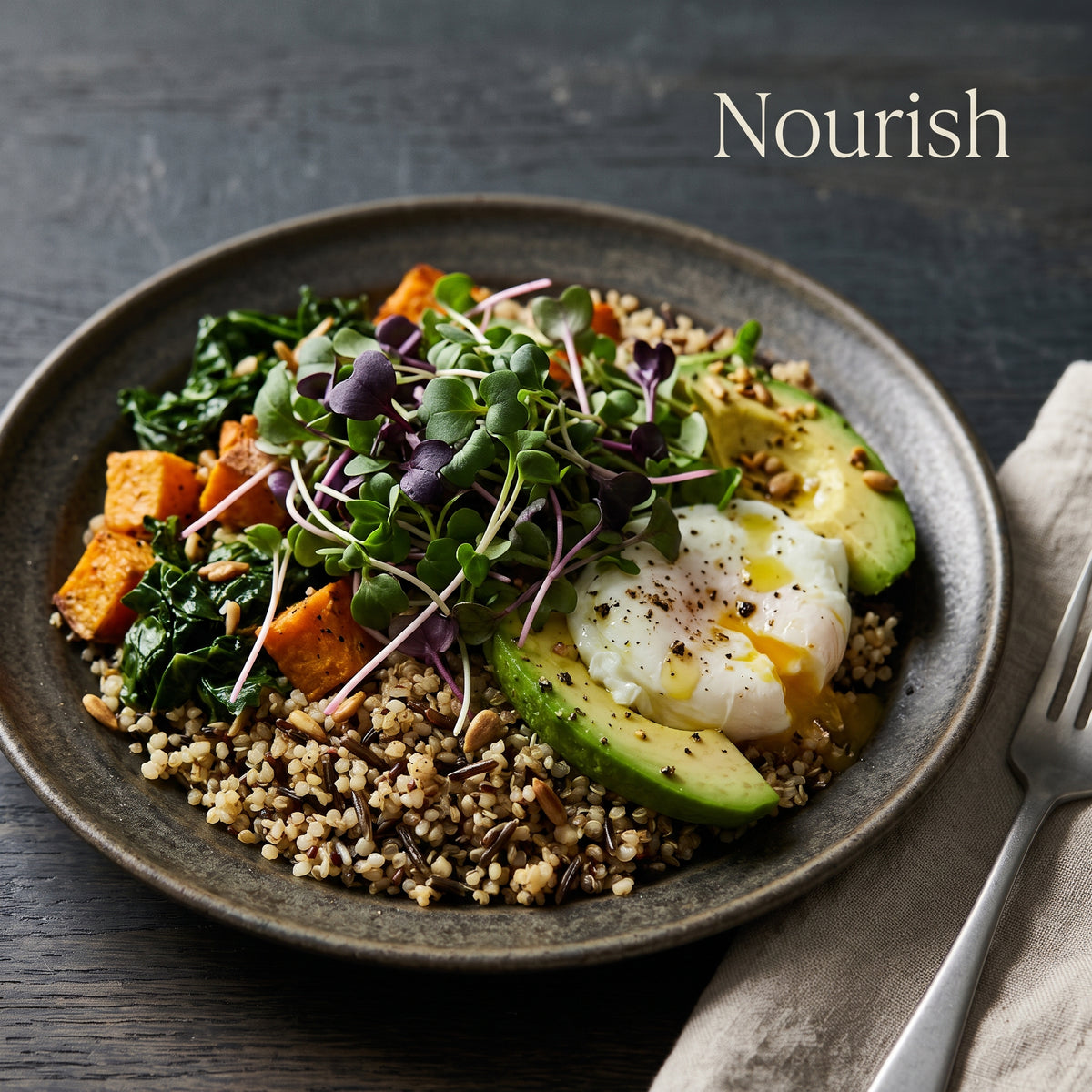
- SIMPLE EVERYDAY IDEAS: High-heat searing, warm composed salads, roasted mushroom plates, grain bowls, mushroom tacos, finished over eggs.
