
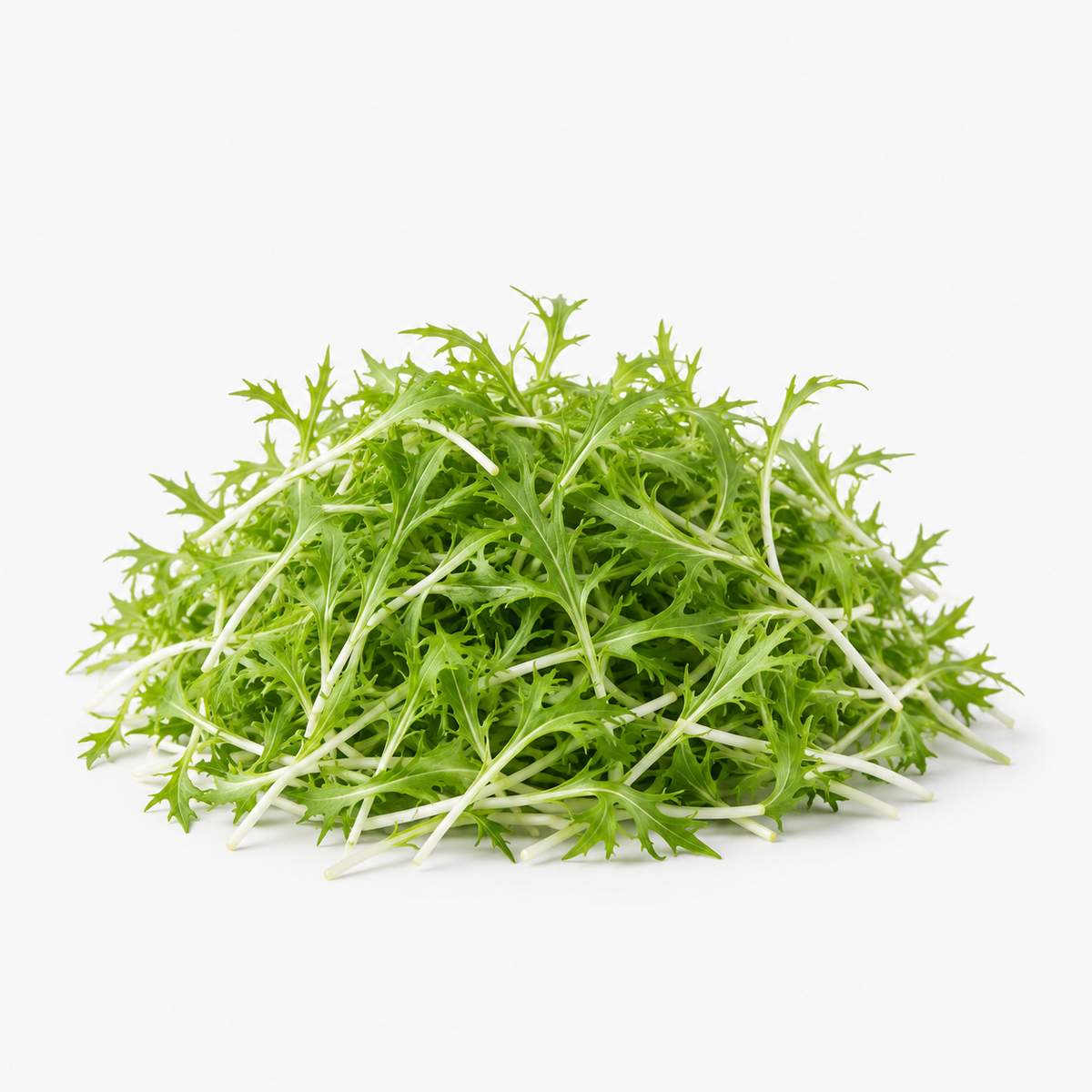
Mizuna Microgreens
Mizuna Microgreens bring the distinctive character of Japanese mustard greens to tender, vibrant leaves and delicate pale stems. Their refreshing green flavor, gentle peppery warmth, and light crunch make them a versatile finishing ingredient for salads, noodles, seafood, and chef-inspired dishes.
Choose options
Mizuna Microgreens bring the distinctive character of Japanese mustard greens to tender, vibrant leaves and delicate pale stems. Their refreshing green flavor, gentle peppery warmth, and light crunch make them a versatile finishing ingredient for salads, noodles, seafood, and chef-inspired dishes.
Inside This Superpower
Mizuna Microgreens bring the distinctive botanical character of Japanese mustard greens, Brassica rapa var. nipposinica, to the tender first-leaf stage of development. This green heirloom selection produces slender pale yellow-to-white stems supporting bright green cotyledons. As the young plants develop their first true leaves, the characteristic finely divided leaf structure associated with mature Mizuna begins to emerge.
Their flavor introduces refreshing green freshness, gentle vegetal sweetness, and a mild peppery mustard finish. The delicate combination of tender foliage and succulent stems provides a lighter, more refined expression of traditional Japanese mustard greens.
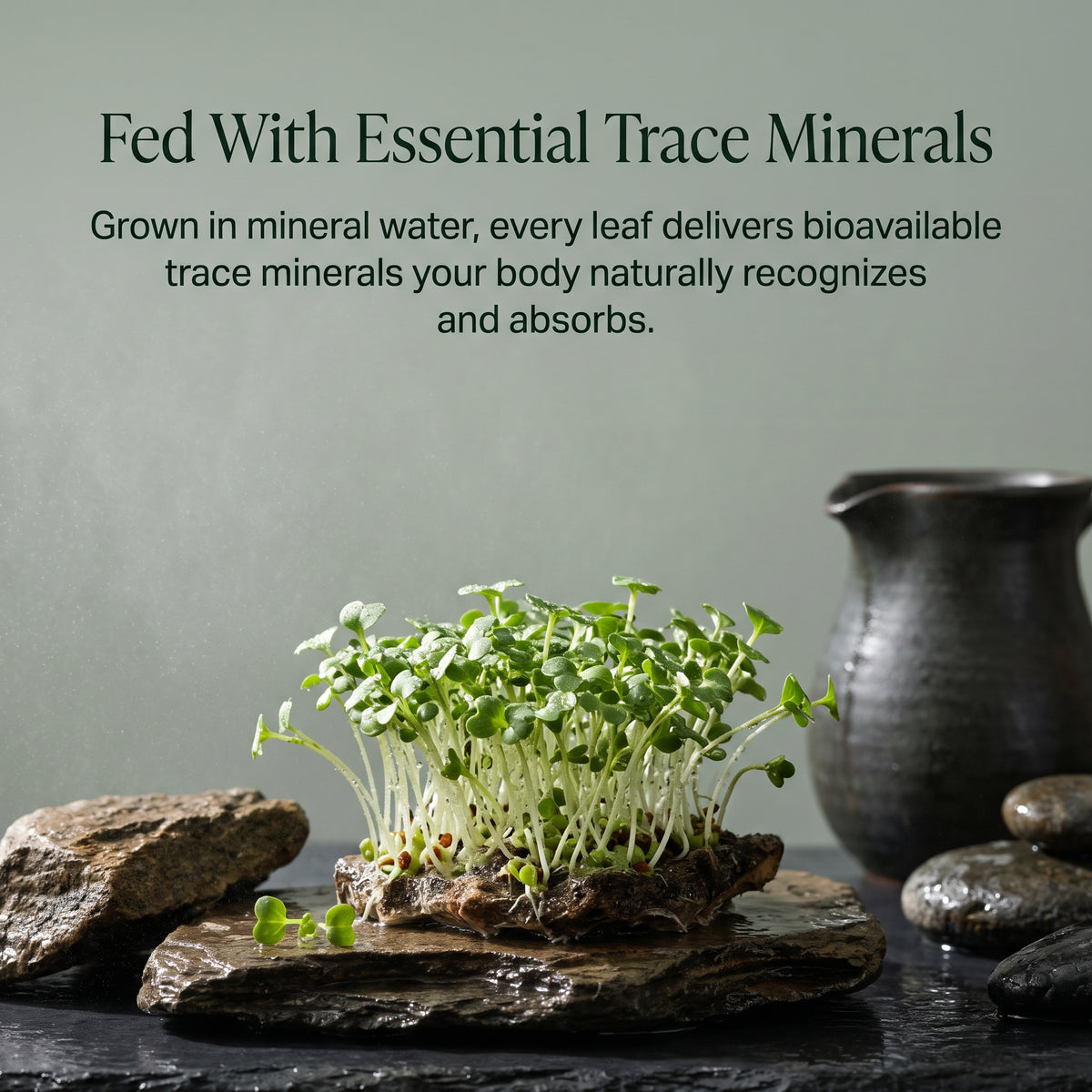
LivFarms cultivates these specialty microgreens in a carefully controlled growing environment, with attention to water, plant nutrition, and harvest quality. The result is a fresh-cut microgreen with an appealing balance of gentle spice, delicate texture, and culinary versatility.
Explore their sensory character through Elevate and their naturally occurring vitamin C, carotenoids, phenolic compounds, and distinctive mustard-family plant chemistry through Nourish.
- CATEGORY: Microgreens
- VARIETY: Green Mizuna Japanese Mustard Microgreens heirloom variety.
- BOTANICAL NAME: Brassica rapa var. nipposinica.
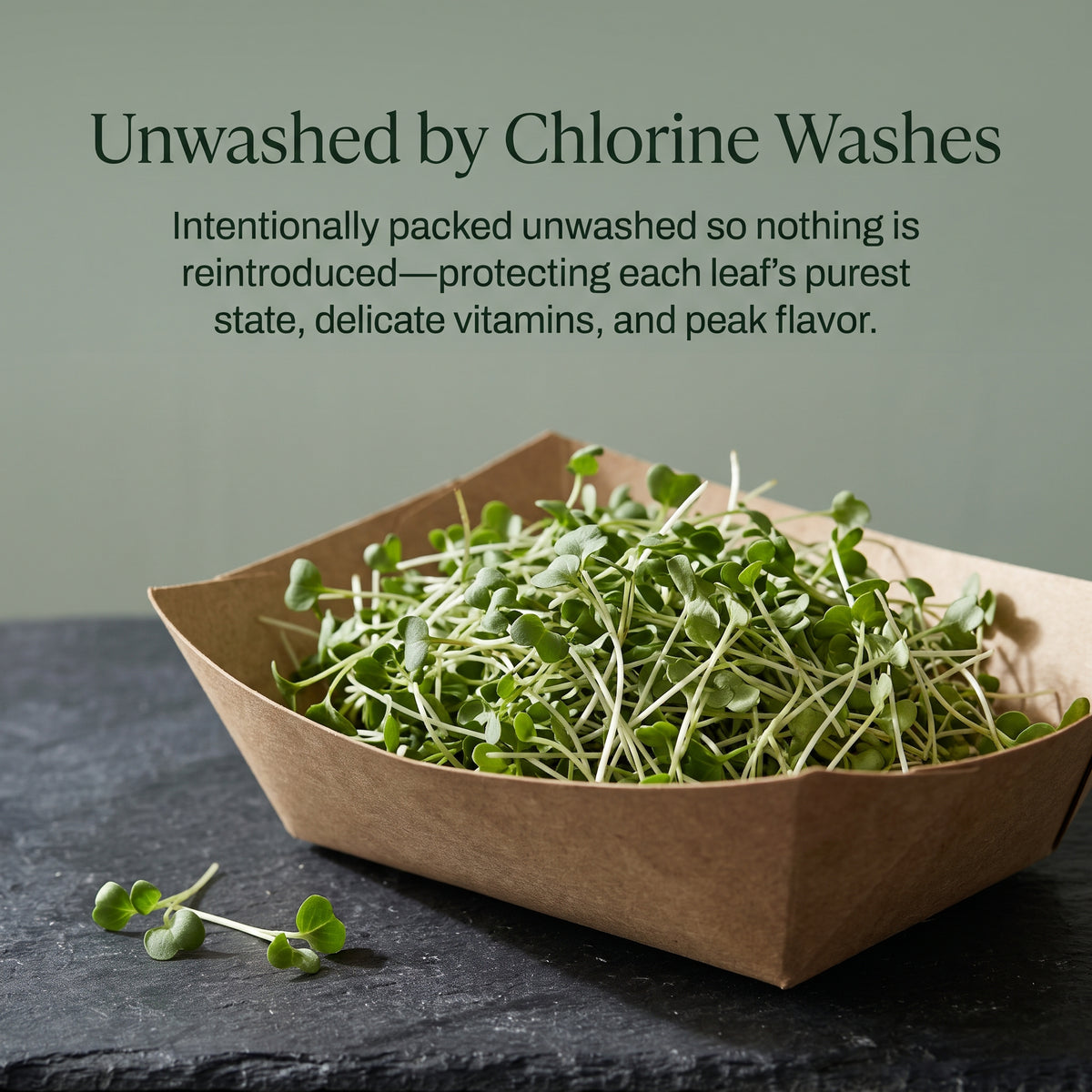
- WHAT YOU'LL RECEIVE: 4 oz of fresh-cut Mizuna Microgreens, packaged unwashed in a press-and-seal tray with a film-sealed top.
- STORAGE: Keep refrigerated in the original sealed tray, protecting the tender greens from freezing, moisture loss, and excess condensation.
- BEST ENJOYED WITHIN: Enjoy as soon as practical after delivery for peak delicate crispness, fresh mustard flavor, and vibrant green color. Follow the freshness date printed on the package.
- SERVING & PREPARATION: Gently rinse under cool running water immediately before use and carefully dry. Enjoy raw or add immediately before serving to preserve the tender foliage, delicate stems, and mild peppery character.
Not All Microgreens Are Grown Equal

Put Your Superpower to Work
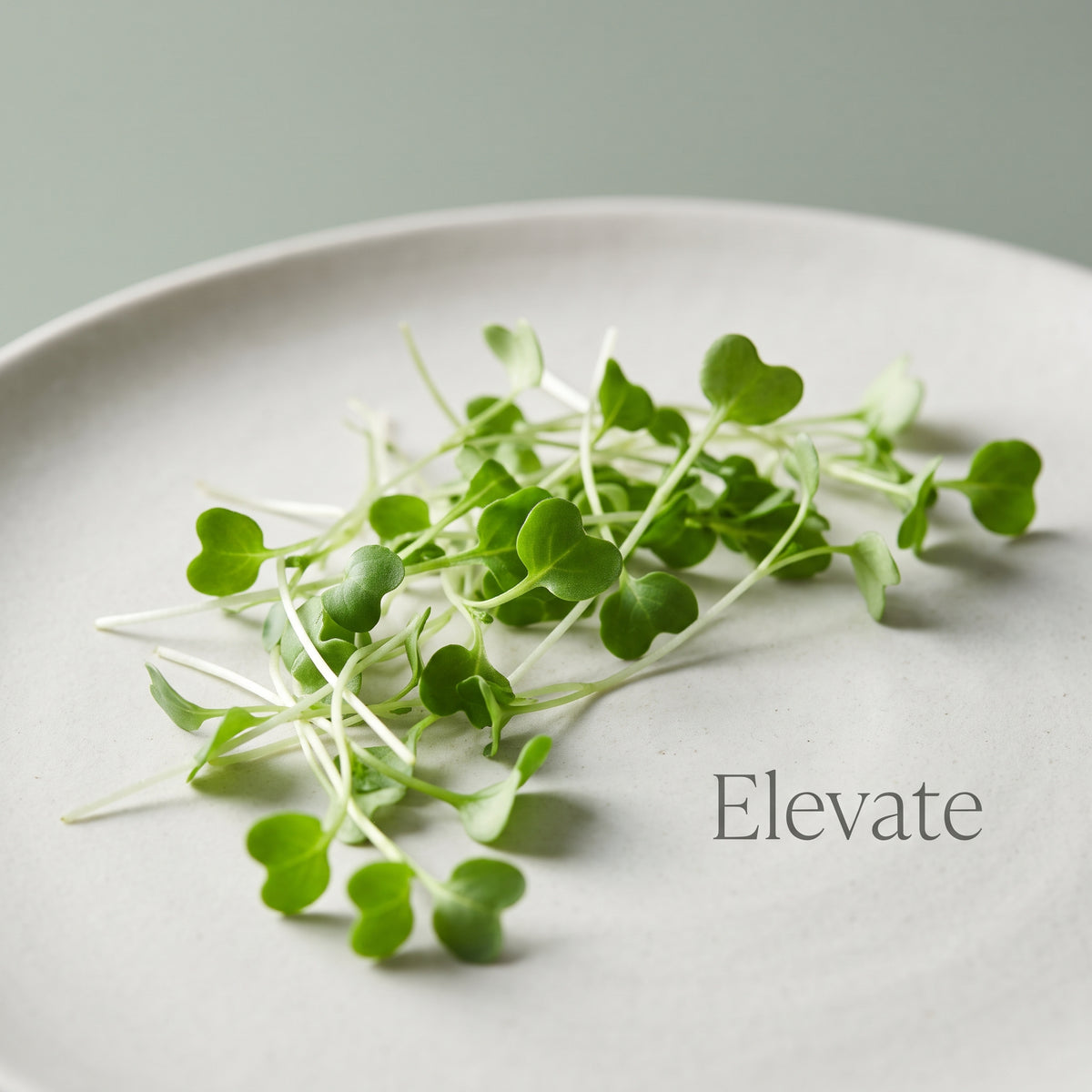
Elevate
NUTRITION BY DESIGN
- CHEF'S TASTING NOTES: Mizuna Microgreens deliver a delicate sensory experience that begins with refreshing green freshness and develops into the distinctive character of Japanese mustard. The first bite introduces smooth, tender cotyledons and fine succulent stems with a light, refreshing crunch. As the flavor develops, gentle vegetal sweetness gives way to subtle peppery warmth and recognizable Brassica spice. The mustard character remains balanced and approachable, finishing cleanly without the lingering heat associated with more assertive mustard varieties. Their combination of restrained spice, tender texture, and vivid green foliage makes Mizuna Microgreens particularly valuable for chefs who want an expressive finishing ingredient that complements rather than dominates the composition.
- FLAVOR PROFILE: Fresh Japanese Mustard • Gentle Green Sweetness • Mild Pepper • Subtle Brassica Spice • Clean Finish. Mizuna Microgreens capture the familiar character of Japanese mustard greens in a delicate young plant. Their flavor opens with bright vegetal freshness, develops into mild peppery warmth, and finishes with a clean, slightly sweet green note. Compared with stronger mustard microgreens, Mizuna offers a gentler flavor that integrates easily with other ingredients. Its subtle spice complements ginger, sesame, citrus, mushrooms, seafood, poultry, eggs, grains, and fresh vegetables. The balanced combination of green sweetness and mild mustard warmth makes these microgreens appealing in both Asian-inspired cuisine and contemporary dishes that benefit from a delicate peppery accent.
- TEXTURE & CULINARY PERFORMANCE: Fine, pale stems support tender green cotyledons and delicate emerging leaves, creating an airy, lightly crisp texture that integrates naturally into finished dishes. Mizuna Microgreens perform especially well as a fresh finishing ingredient, where their slender structure and gentle peppery character remain recognizable. Light citrus dressings, sesame-based sauces, and mild vinaigrettes complement the natural mustard flavor, while creamy ingredients, roasted vegetables, and richly flavored proteins provide appealing contrast. The tender leaves respond best to gentle handling and minimal dressing. Prolonged cooking softens the foliage and reduces its delicate texture, making raw application or last-minute plating the preferred approach for preserving freshness, crispness, and visual appeal.
- PLATE PERFORMANCE: Bright green cotyledons, delicate emerging leaves, and fine yellow-to-white stems create an elegant botanical accent with natural movement and subtle dimensionality. Loose clusters introduce airy height and soft volume, while smaller arrangements provide precise finishing details for seafood, eggs, noodle bowls, and composed appetizers. The contrast between vivid foliage and pale stems is particularly effective against dark mushrooms, golden proteins, colorful vegetables, creamy sauces, and neutral serving surfaces. As the first true leaves emerge, Mizuna's characteristic finely divided foliage introduces additional texture and intricate botanical detail. Its refined appearance makes it an appealing finishing ingredient for chefs seeking understated green freshness and delicate structure without excessive visual weight.
- CULINARY PAIRINGS & FINISHING APPLICATIONS: Mizuna Microgreens introduce gentle mustard warmth and refreshing green texture to everyday meals and refined culinary presentations. For Japanese-inspired dishes, pair them with sushi bowls, rice, soba noodles, miso soups, sesame dressings, ginger, and fresh vegetables. For seafood and proteins, finish seared salmon, shrimp, grilled chicken, white fish, and savory egg dishes with a loose handful of tender greens. For vegetables and grains, scatter Mizuna over roasted mushrooms, carrots, sweet potatoes, quinoa, rice bowls, and warm vegetable compositions immediately before serving. They also complement artisan sandwiches, avocado toast, creamy cheeses, fresh salads, and lightly dressed grain bowls. Their mild peppery character adds refreshing contrast without overwhelming the primary ingredients.
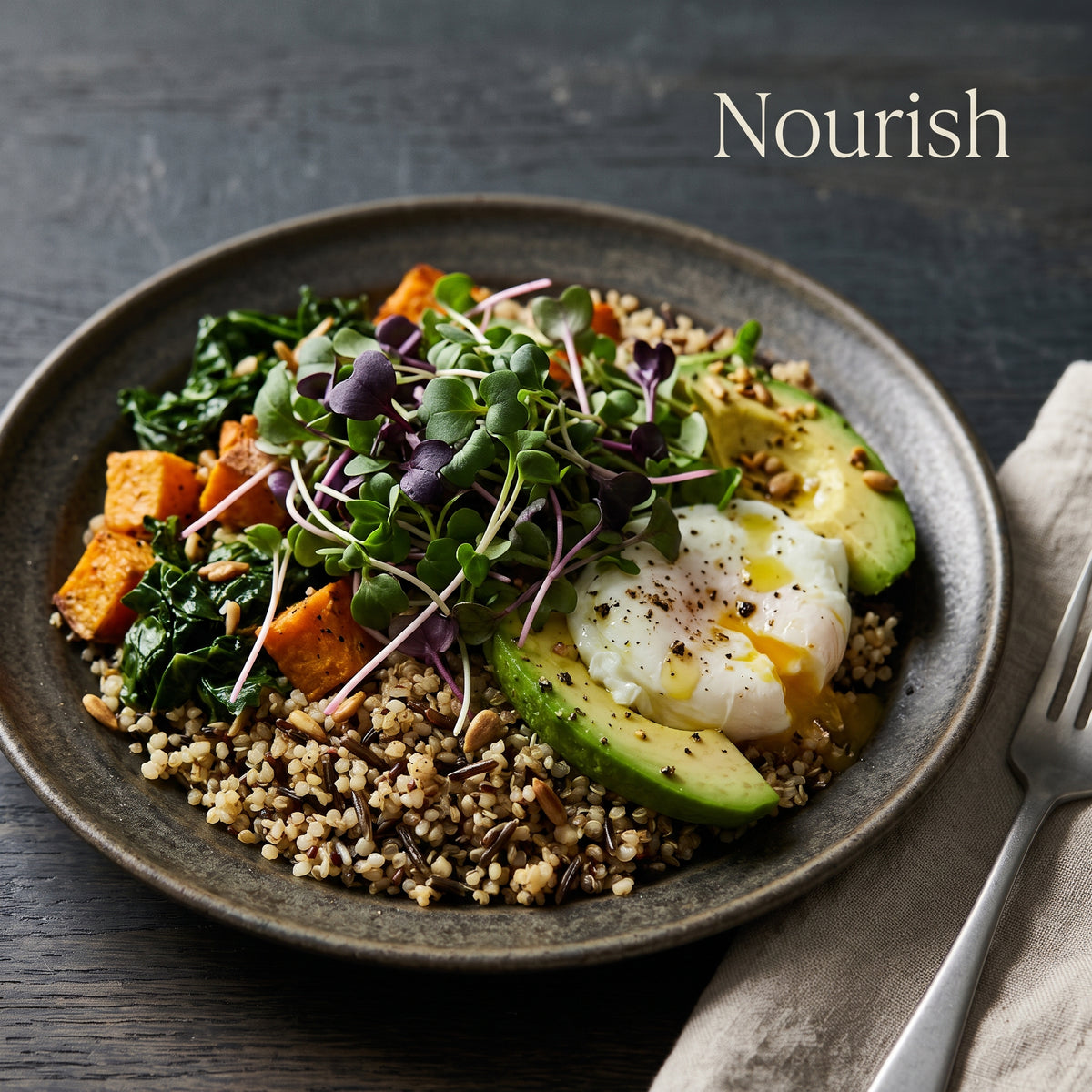
Nourish
NUTRITION IN ACTION
- THE COTYLEDON ADVANTAGE: Mizuna Microgreens are harvested during an early stage of plant development, when tender cotyledons and emerging true leaves contribute to the young plant's distinctive nutritional and phytochemical composition. At this stage, Mizuna develops naturally occurring vitamins, carotenoid pigments, minerals, and specialized mustard-family compounds that contribute to its botanical character. A peer-reviewed 2021 study comparing Mizuna, Komatsuna, Mibuna, and Pak Choi microgreens found that Mizuna had the highest measured ascorbic acid, or vitamin C, concentration among the four genotypes. Researchers measured an average of approximately 11.9 mg of vitamin C per 100 grams of fresh Mizuna microgreens. The study also identified significant differences in carotenoids, minerals, and phenolic compounds between the four crops and their developmental stages. These findings illustrate the nutritional potential of young Mizuna plants, while actual concentrations depend on genetics, light exposure, plant nutrition, growing conditions, and harvest timing.
- NUTRITIONAL SNAPSHOT: Mizuna Microgreens contribute naturally occurring vitamin C, carotenoids, chlorophyll pigments, minerals, and specialized plant compounds associated with Brassica rapa. In a peer-reviewed 2021 study, researchers measured vitamin C, beta-carotene, lutein, chlorophyll, and eleven macro- and microminerals in Mizuna and three related Brassica microgreens. The study identified potassium, calcium, magnesium, phosphorus, iron, zinc, manganese, and other minerals in the tested young plants. Researchers also measured approximately 1,933 micrograms of total phenolic compounds per gram of dry Mizuna plant material, the highest concentration among the four genotypes examined. These findings demonstrate a varied nutritional and phytochemical profile, including plant compounds associated with the distinctive character of Japanese mustard greens. Published measurements describe the specific research samples rather than guaranteed concentrations in LivFarms harvests.
- BIOACTIVE PLANT COMPOUNDS: Mizuna Microgreens belong to the Brassicaceae family, a botanical group distinguished by naturally occurring glucosinolates, phenolic compounds, carotenoids, and sulfur-containing plant metabolites. Published research has identified quercetin derivatives, kaempferol glycosides, caffeic acid derivatives, and other hydroxycinnamic compounds in young Mizuna tissues. A peer-reviewed 2021 study comparing four Brassica rapa microgreens found that Mizuna had the highest measured total phenolic concentration among the genotypes tested. The same research identified allyl isothiocyanate and phenethyl isothiocyanate among the characteristic volatile compounds associated with Mizuna's mustard flavor. These sulfur-containing compounds are associated with the breakdown of naturally occurring glucosinolates through enzymatic activity in Brassica tissues. The study also documented beta-carotene, lutein, and chlorophyll pigments in Mizuna microgreens. Together, these compounds contribute to the distinctive phytochemical complexity, sensory character, and scientific interest of this Japanese mustard vegetable. Their concentrations vary according to genetics, growing environment, and harvest stage.
- WHY THIS PLANT MATTERS: Mizuna Microgreens bring together the recognizable character of Japanese mustard greens, naturally occurring vitamin C, carotenoid pigments, mineral nutrients, and a diverse collection of phenolic and sulfur-containing plant compounds. Their tender early growth stage provides an appealing way to incorporate the distinctive flavor and botanical diversity of Brassica rapa into everyday meals. Published research has documented vitamin C, beta-carotene, lutein, quercetin derivatives, kaempferol compounds, and glucosinolate-related metabolites in young Mizuna plants. Their gentle peppery warmth and delicate structure make them especially appealing in fresh salads, noodle bowls, rice dishes, seafood, eggs, roasted vegetables, and composed culinary presentations. By introducing another distinctive leafy vegetable into everyday meals, Mizuna Microgreens complement a varied whole-food eating pattern while contributing fresh flavor, tender texture, and naturally occurring plant compounds.
