
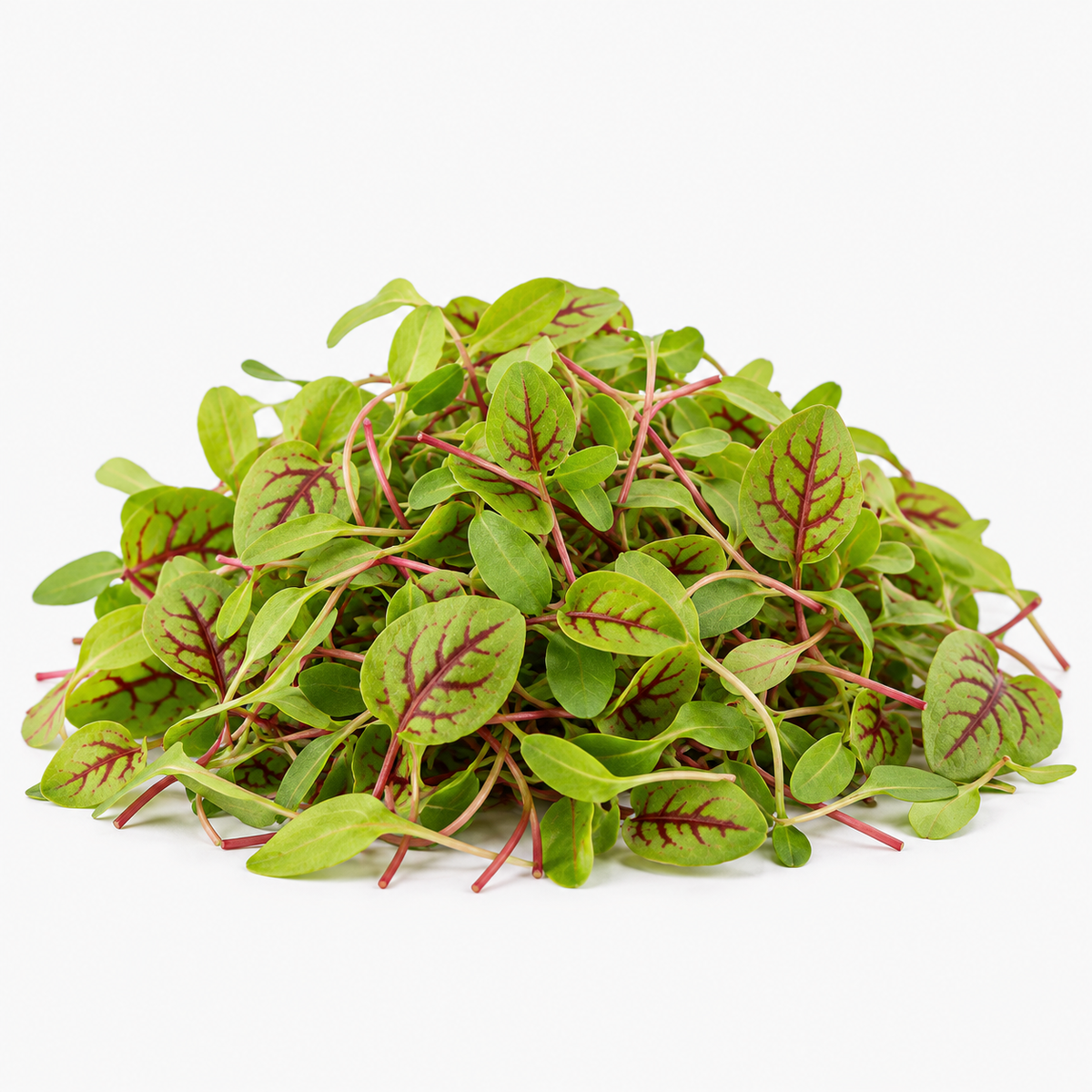
Red-Veined Sorrel Microgreens
Red-Veined Sorrel Microgreens bring brilliant citrus-like tang to delicate green leaves traced with striking crimson veins. Their refreshing lemony flavor, tender texture, and distinctive botanical appearance create an elegant finishing ingredient for seafood, fresh cheeses, salads, and chef-inspired dishes.
Choose options
Red-Veined Sorrel Microgreens bring brilliant citrus-like tang to delicate green leaves traced with striking crimson veins. Their refreshing lemony flavor, tender texture, and distinctive botanical appearance create an elegant finishing ingredient for seafood, fresh cheeses, salads, and chef-inspired dishes.
Inside This Superpower
Red-Veined Sorrel Microgreens introduce the distinctive botanical character of Rumex sanguineus, a member of the Polygonaceae family, at the tender early stage of plant development. Also known as red-veined dock or spinach dock, this selection produces delicate green cotyledons followed by emerging true leaves with richly colored red-to-burgundy veins.
The contrast between the green leaf surfaces and crimson venation creates an intricate botanical appearance that becomes increasingly recognizable as the young leaves develop. Unlike varieties with uniformly purple foliage, Red-Veined Sorrel displays its distinctive coloration primarily along the leaf veins.
Its defining culinary characteristic is a bright, lemony tartness accompanied by refreshing green notes and subtle earthy complexity. The flavor introduces a distinctive acidic accent without the peppery warmth associated with mustard-family microgreens.
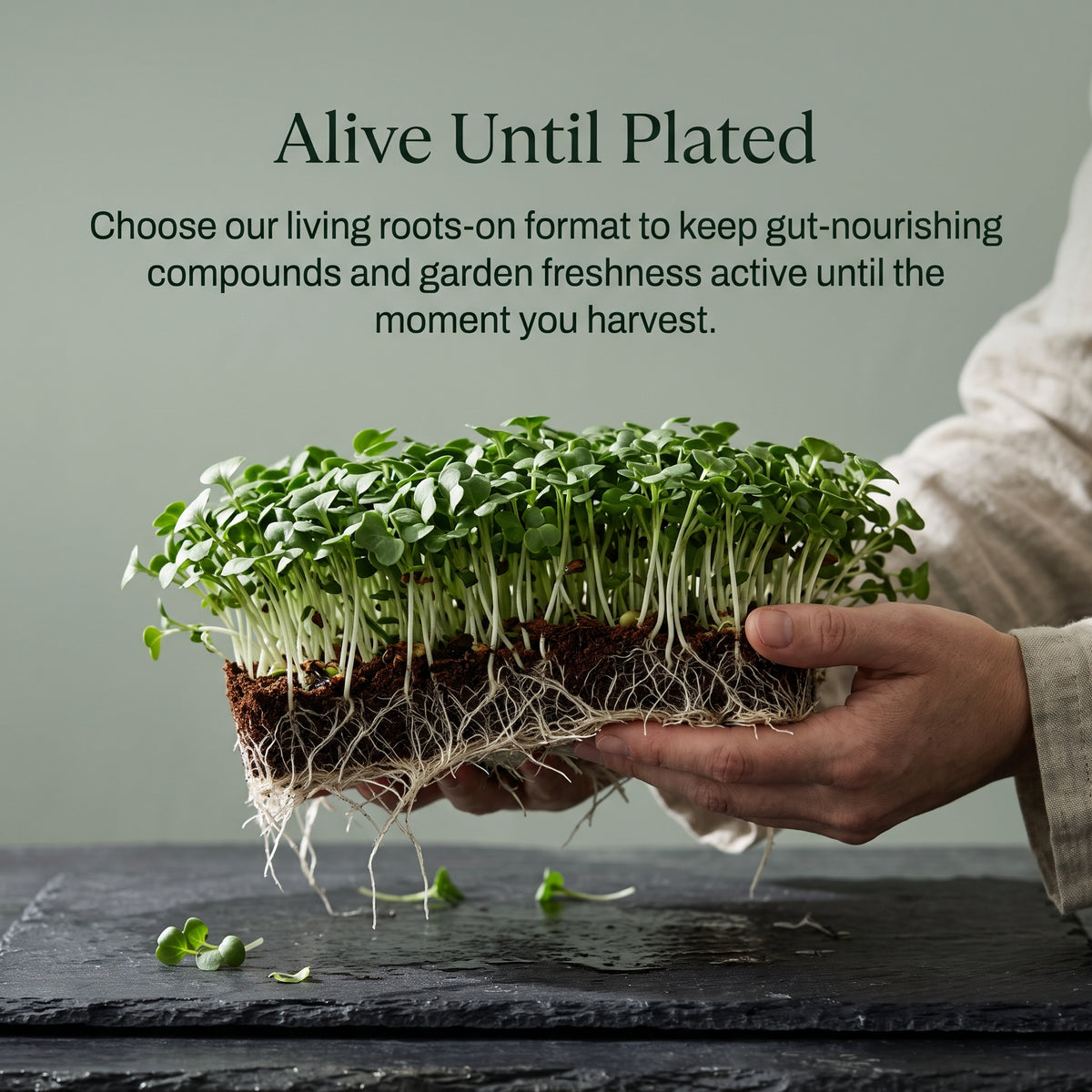
LivFarms cultivates these specialty microgreens in a carefully controlled growing environment, with attention to water, plant nutrition, and harvest quality. The result is a fresh-cut culinary herb with expressive flavor, tender structure, and striking visual character.
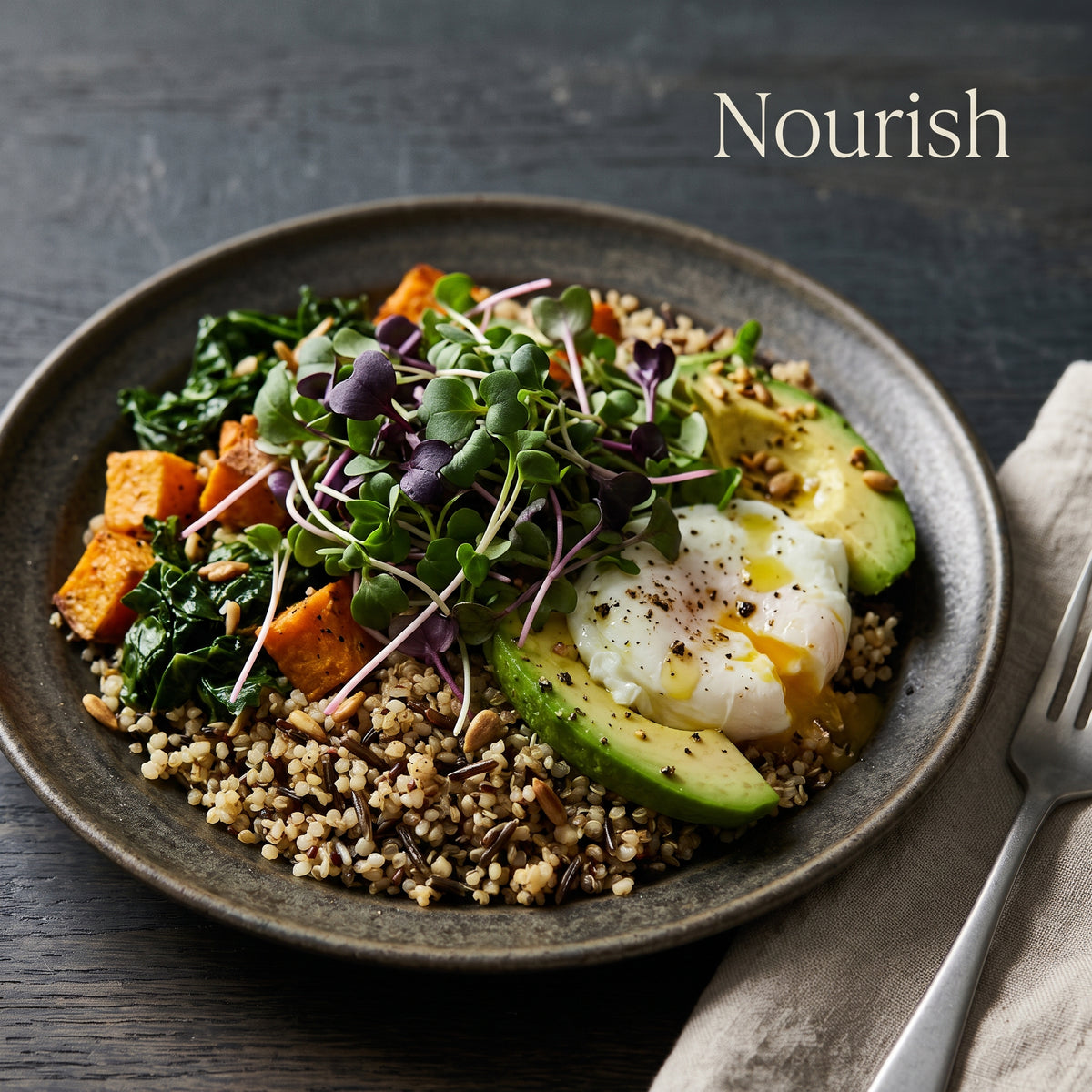
Red-Veined Sorrel complements seafood, fresh cheeses, eggs, roasted vegetables, grain dishes, seasonal salads, and carefully composed appetizers. A small finishing portion introduces vibrant green color, contrasting red veins, and refreshing tang.
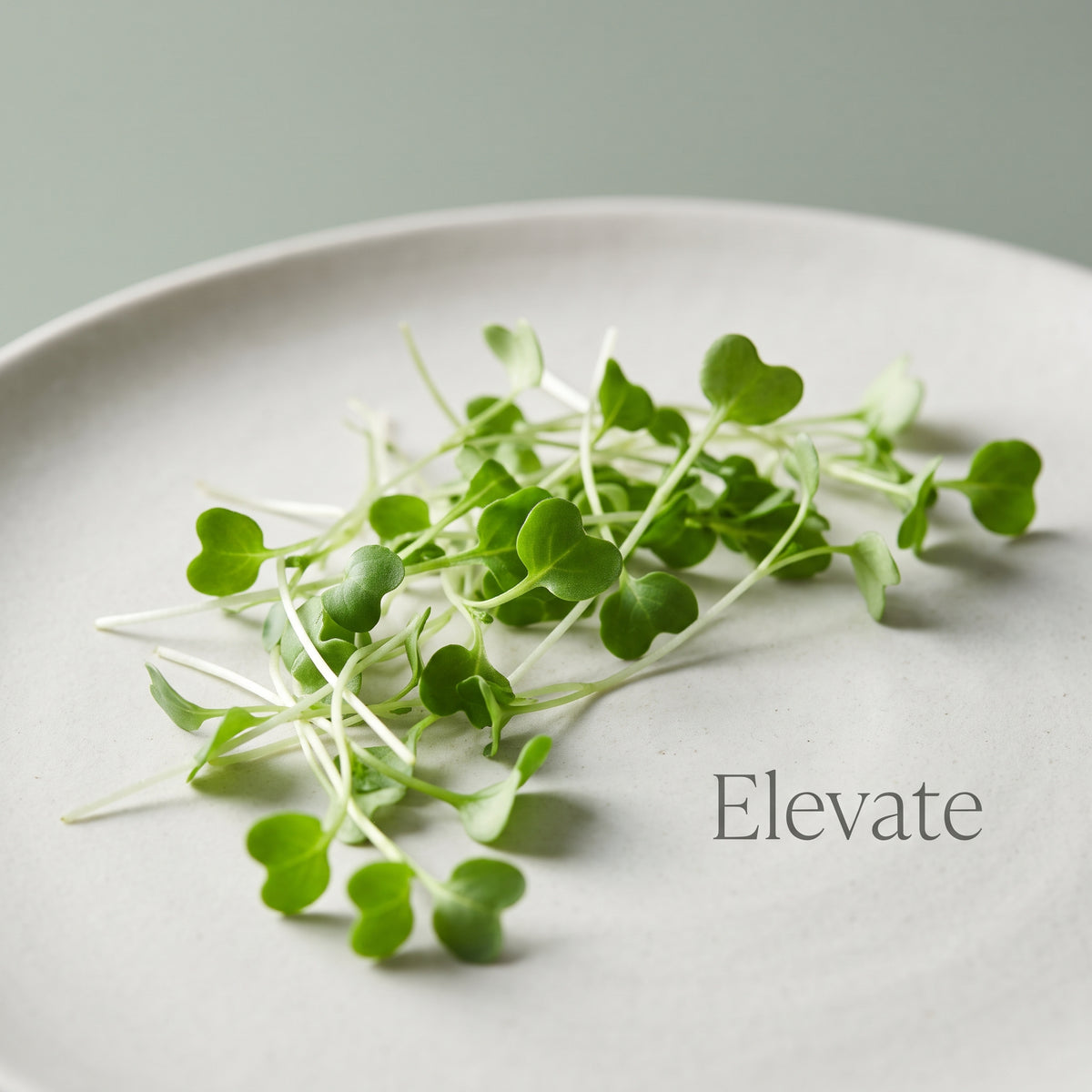
Explore its sensory character through Elevate and the scientific research surrounding its naturally occurring phenolic compounds and botanical chemistry through Nourish.
- CATEGORY: Microgreens
- VARIETY: Red-Veined Sorrel Microgreens heirloom variety.
- BOTANICAL NAME: Rumex sanguineus L.
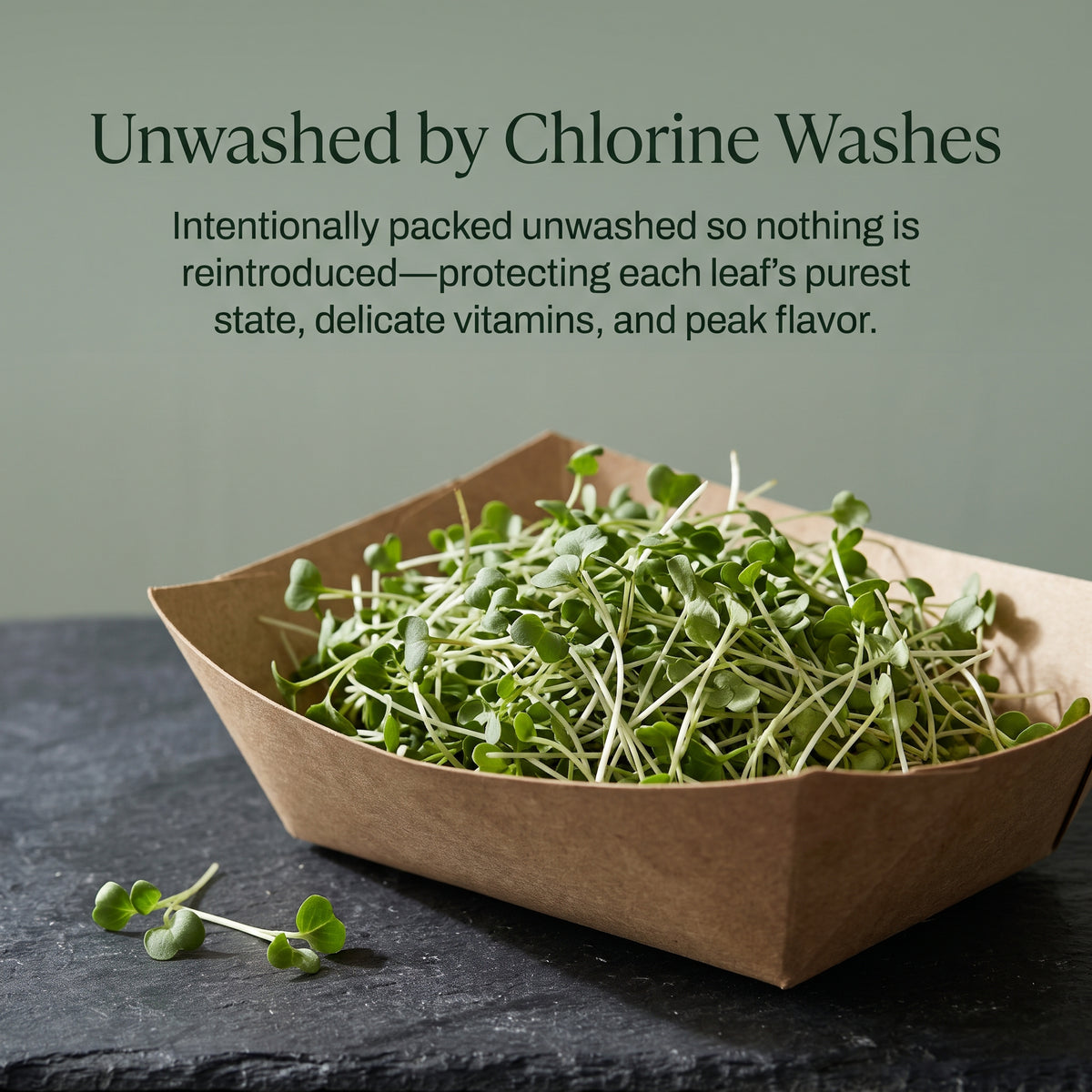
- WHAT YOU'LL RECEIVE: 4 oz of fresh-cut Red-Veined Sorrel Microgreens, packaged unwashed in a press-and-seal tray with a film-sealed top.
- STORAGE: Keep refrigerated in the original sealed tray, protecting the delicate greens from freezing, moisture loss, and excess condensation.
- BEST ENJOYED WITHIN: Enjoy as soon as practical after delivery for peak lemony freshness, delicate texture, and distinctive red-veined foliage. Follow the freshness date printed on the package.
- SERVING & PREPARATION: Gently rinse under cool running water immediately before use and carefully dry. Enjoy raw in modest portions as a culinary accent or add immediately before serving. Sorrel naturally contains oxalates.
Not All Microgreens Are Grown Equal
Put Your Superpower to Work
Elevate
NUTRITION BY DESIGN
- CHEF'S TASTING NOTES: Red-Veined Sorrel Microgreens deliver an exceptionally bright sensory experience that begins with a refreshing burst of lemon-like tartness. The first bite introduces tender green foliage and fine stems, followed by lively acidity, delicate vegetal notes, and subtle earthy complexity. Unlike traditional peppery microgreens, Red-Veined Sorrel creates its distinctive impact through tartness rather than heat. The flavor develops quickly, providing a clean, mouthwatering contrast to rich, creamy, or savory ingredients before settling into a fresh green finish. Its characteristic crimson-veined leaves offer an equally compelling visual experience, introducing delicate botanical detail that distinguishes the ingredient from conventional culinary greens. Chefs will appreciate its ability to add a precise finishing accent to seafood, fresh cheeses, vegetables, and composed dishes where bright acidity and refined presentation are equally important.
- FLAVOR PROFILE: Bright Lemon-Like Tang • Refreshing Green Acidity • Delicate Earthiness • Subtle Vegetal Notes • Clean Finish. Red-Veined Sorrel Microgreens express the distinctive tart character of traditional sorrel in a tender, visually refined young plant. Their flavor opens with pronounced citrus-like acidity, develops into subtle green and earthy notes, and finishes with refreshing brightness. Unlike the mustard warmth of Mizuna or the aromatic sweetness of basil, Red-Veined Sorrel introduces a sour, lemony element that offers a different culinary function. Its fresh tang complements salmon, scallops, white fish, shrimp, soft cheeses, avocado, eggs, roasted vegetables, and seasonal fruit. Because its flavor is expressive, small portions work particularly well when the goal is to brighten rich ingredients while preserving the balance of the completed dish.
- TEXTURE & CULINARY PERFORMANCE: Tender green cotyledons and emerging true leaves rest on delicate stems, creating a soft, lightly succulent structure suited to fresh culinary applications. As the true leaves develop, their red-to-burgundy veins introduce additional botanical detail without changing the naturally tender texture. Red-Veined Sorrel performs particularly well as a finishing ingredient, where its distinctive lemony tang remains clear and its delicate foliage retains its appearance. Creamy cheeses, olive oil, mild sauces, and richly flavored proteins provide a satisfying contrast to its acidity, while lightly dressed vegetables and grain dishes benefit from its refreshing green character. Heavy dressings and prolonged heat reduce the visual delicacy of the foliage. Gentle handling, modest portions, and last-minute plating help preserve the combination of bright flavor, tender leaves, and distinctive coloration.
- PLATE PERFORMANCE: Bright green leaves traced with crimson-to-burgundy veins create one of the most distinctive botanical patterns found among culinary microgreens. The fine network of colored veins introduces intricate visual detail, while the surrounding green leaf surfaces maintain a fresh, natural appearance. Small clusters create elegant accents over seafood, fresh cheeses, eggs, and composed appetizers, while carefully placed individual leaves provide exceptional precision in restaurant-style presentations. Their red-veined foliage contrasts beautifully against white scallops, pale fish, creamy burrata, golden vegetables, dark grains, and neutral serving surfaces. As the first true leaves develop, the characteristic veining becomes increasingly visible, giving each harvest its own natural pattern. Their refined structure is particularly effective when visual delicacy and distinctive culinary flavor are priorities.
- CULINARY PAIRINGS & FINISHING APPLICATIONS: Red-Veined Sorrel Microgreens bring bright lemony tang and distinctive crimson-veined foliage to everyday meals and refined culinary presentations. For seafood, use small finishing clusters over seared scallops, roasted salmon, shrimp, white fish, oysters, and delicate seafood appetizers. For fresh cheeses, pair them with burrata, goat cheese, ricotta, crème fraîche, and lightly dressed vegetables to introduce refreshing acidity. For seasonal produce, combine them with cucumbers, roasted beets, asparagus, potatoes, peas, tomatoes, and fresh salads. They also complement eggs, avocado toast, grain bowls, roasted chicken, and carefully composed fruit preparations. Their tartness is most effective when used intentionally as a culinary accent rather than a dominant leafy ingredient. Add immediately before serving to preserve the bright flavor, tender foliage, and distinctive red-veined appearance.
Nourish
NUTRITION IN ACTION
- THE COTYLEDON ADVANTAGE: Red-Veined Sorrel Microgreens are harvested during an early stage of plant development, when tender cotyledons and emerging true leaves develop the distinctive nutritional and botanical characteristics of Rumex sanguineus. This growth stage is particularly important for the appearance of the plant's characteristic red veins, which become more pronounced as the first true leaves emerge. The young foliage contains naturally occurring plant pigments and specialized metabolites that contribute to the plant's chemical complexity. Scientific investigations of Rumex sanguineus have identified differences in phenolic compounds and other metabolites across plant tissues and developmental stages. A 2025 study examining young red-veined sorrel plants also demonstrated that nutrient management influenced plant growth and the accumulation of certain secondary metabolites. These findings highlight the importance of developmental stage and growing environment, although they do not establish specific nutrient concentrations for LivFarms' harvested microgreens.
- NUTRITIONAL SNAPSHOT: Red-Veined Sorrel Microgreens belong to the Polygonaceae family, a botanical group that includes sorrel, buckwheat, and rhubarb. Their young green leaves provide a distinctive source of botanical diversity through naturally occurring plant pigments, organic acids, and specialized phenolic compounds. Published research on Rumex sanguineus foliage has identified catechin, rutin, isoquercitrin, and other flavonoid derivatives, alongside broader groups of polyphenols and plant metabolites. A 2025 metabolomic investigation identified 347 annotated primary and specialized metabolites across the leaves, stems, and roots of the studied species, demonstrating substantial chemical diversity. These findings concern the plant species across different tissues and growth stages, not a standardized nutrient analysis of fresh-cut microgreens. The exact vitamin, mineral, and phytochemical composition of LivFarms' Red-Veined Sorrel Microgreens would require laboratory analysis of its own harvests.
- BIOACTIVE PLANT COMPOUNDS: Red-Veined Sorrel belongs to the Polygonaceae family and contains a diverse collection of naturally occurring organic acids, phenolic compounds, flavonoids, and other specialized plant metabolites. A peer-reviewed 2022 study examining several Rumex species identified catechin, rutin, isoquercitrin, and other quercetin derivatives in Rumex sanguineus leaves. A separate 2025 metabolomic investigation identified extensive chemical diversity across the species, including polyphenols and anthraquinones. Research on young red-veined sorrel plants has also documented catechin and emodin, demonstrating that the plant's specialized metabolite composition responds differently to cultivation conditions. Sorrel naturally contains oxalic acid, a compound associated with its recognizable tart flavor. These research findings describe studied plants and tissues rather than measured concentrations in LivFarms microgreens. While these compounds are important to understanding the plant's botanical chemistry, their presence does not establish specific health benefits from consumption.
- WHY THIS PLANT MATTERS: Red-Veined Sorrel Microgreens bring a distinctive combination of bright lemony flavor, elegant crimson-veined foliage, and botanical diversity to the culinary experience. Unlike Brassica microgreens, which often deliver peppery or mustard-like warmth, sorrel introduces refreshing acidity that complements rich, creamy, and savory ingredients. Scientific research on Rumex sanguineus has documented phenolic compounds, flavonoids, naturally occurring organic acids, and extensive variation in plant metabolites, highlighting the complexity of this traditional culinary green. The plant also contains oxalates, making modest culinary portions an appropriate approach to enjoying its strong flavor. Its tender leaves and striking red veins make it particularly appealing with seafood, fresh cheeses, eggs, roasted vegetables, seasonal salads, and composed appetizers. Red-Veined Sorrel Microgreens offer a different culinary expression of leafy greens, expanding flavor and botanical variety within a balanced diet.
